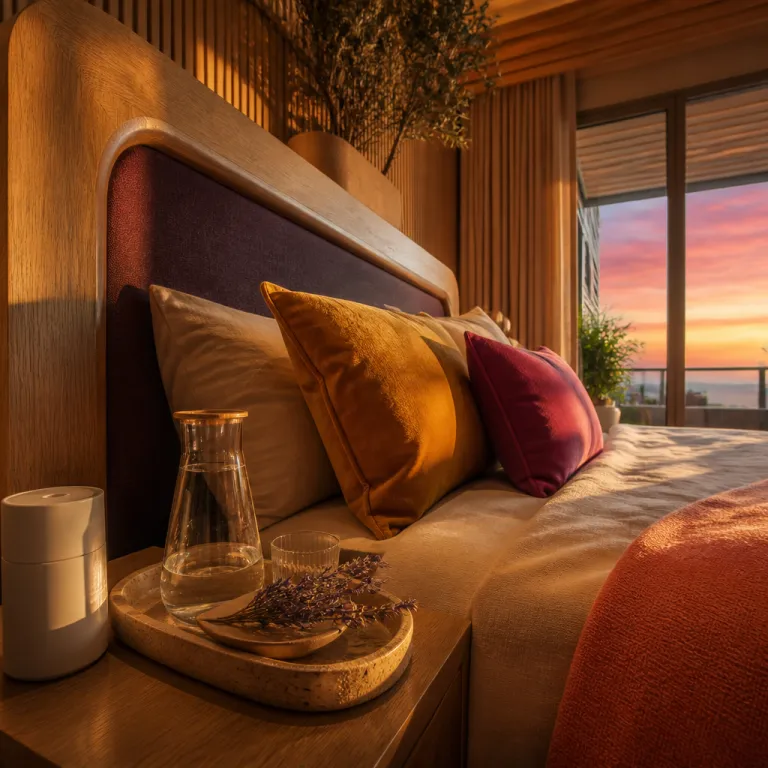
Why neuro architecture hotel design wellness is reshaping luxury stays
Neuro architecture hotel design wellness is no longer a niche concept for spa obsessives. It is becoming the quiet engine behind the best luxury and premium hotel deals, where design and wellness work together to calm the human nervous system. For business leisure travelers, this shift means the smartest rooms are designed to lower cortisol rather than just impress Instagram.
At its core, neuro architecture applies neuroscience to architecture and interior design so that spaces actively support health and mental health. Leading hospitality brands now work with neuro-architects, neuroscientists, and wellness consultants to shape architectural design that measurably improves sleep, focus, and recovery. One expert definition captures it clearly ; “An interdisciplinary field combining neuroscience and architecture to design spaces that promote well-being.”
For guests, the impact is tangible in the built environment, not theoretical. Hotels that embrace this wellness design approach report deeper sleep, steadier moods, and a sense of health well beyond what a standard gym and sauna can offer. When you are choosing between premium hotel deals, the properties that invest in neuroscience wellness usually deliver better long term value, even if the nightly rate runs slightly higher.
Data from wellness tourism shows why hotel developers and real estate investors are paying attention. Wellness travelers typically spend more per trip, and hotels with integrated wellness design often achieve higher average daily rates because guests recognize the difference in experiences. When a building is carefully designed around the human brain and nervous system, the result feels like quiet luxury rather than loud branding.
For the business executive extending a trip, this is not abstract theory. After back to back meetings, jet lag, and screen fatigue, a room that has been designed to reduce cortisol becomes a strategic asset. Neuro architecture hotel design wellness turns the hotel from a neutral backdrop into an active partner in your recovery and performance.
From aesthetics to physiology: how smart rooms lower cortisol
The most advanced neuro architecture hotel design wellness projects start with a simple question ; what does the human body need to relax on arrival. Designers then translate neuroscience into architectural choices, from soft curves that ease visual tension to acoustic panels that keep noise below 30 decibels. This is where hospitality design stops being decorative and becomes physiological.
Lighting is the first lever, because the human brain reads light as a schedule. Circadian systems shift from warm, low lux levels in the evening to brighter, cooler tones in the morning, supporting melatonin at night and alertness at dawn. Hotels that report better sleep quality often pair this with blackout systems that achieve near 100 % darkness, allowing guests to reset after long haul flights.
Color and material palettes matter just as much as gadgets. Hushed tones, matte finishes, and natural materials such as wood, stone, and wool reduce visual noise and help the nervous system downshift. When architectural design replaces harsh contrasts with gradients and curves, the environment feels safer, which is critical for mental health and long term stress reduction.
Sound is the hidden villain in many luxury properties. Neuro architecture hotel design wellness tackles this through layered acoustic design ; insulated doors, padded headboards, soft flooring, and mechanical systems tuned to keep background noise low. Hilton’s “hushpitality” concept and Accor’s quiet focused luxury positioning both reflect this move toward sound as a core wellness real priority rather than an afterthought.
For deal hunters, the trick is to read between the lines of marketing language. Look for room descriptions that mention decibel levels, blackout certification, or specific acoustic and lighting systems, not just generic comfort claims. Properties willing to comment in detail on these features usually take wellness design seriously and deliver experiences that justify a higher but smarter rate.
Design risk is another useful signal when you compare offers. Hotels that move beyond beige minimalism toward carefully calibrated palettes often show a deeper design approach grounded in neuroscience, as explored in guides to hotels worth booking for bold design. When a hotel is designed around how people actually feel in spaces, not just how they photograph, the value of the deal becomes immediately clear once you check in.
Biophilic design, nature and the new wellness center mindset
One of the most visible faces of neuro architecture hotel design wellness is biophilic design, the practice of weaving nature into architecture. This goes far beyond a lobby plant wall and reaches into how rooms, corridors, and lounges are oriented toward natural light and views. When guests feel visually connected to nature, cortisol levels tend to drop and the human nervous system finds a steadier rhythm.
Leading hotels now treat the entire property as a distributed wellness center rather than isolating wellness in a basement spa. You will see natural materials underfoot, from timber floors to stone thresholds, and greenery integrated into terraces, rooftops, and even indoor courtyards. These spaces are designed to feel like part of the local environment and community, not sealed off from the city or landscape outside.
Healthcare design research has long shown that patients with access to nature and daylight recover faster. Forward thinking hospitality developers borrow these principles from healthcare and neuroscience wellness, applying them to rooms where business travelers decompress after intense days. When a building is designed with generous windows, framed views, and cross ventilation, the result is both health well and energy efficient.
Some properties go further, aligning their wellness design with local ecosystems. Coastal hotels might orient suites toward sunrise for early light exposure, while mountain retreats carve walking paths through forested land to encourage gentle movement. In both cases, the built environment becomes a bridge between guests and the surrounding nature, supporting long term mental health rather than offering a quick escape.
For travelers comparing premium deals, it pays to read how a hotel talks about its landscape. Look for references to biophilic design, natural light in corridors and bathrooms, and outdoor spaces designed for quiet reflection rather than only for events. A helpful deep dive into nature shaping hotel architecture can sharpen your eye before you book.
Neuro architecture hotel design wellness also reframes what counts as a wellness center. Instead of a single room with treadmills, you might find meditation terraces, shaded courtyards, and calm lounges designed for focused work or reading. These inclusive design choices acknowledge that different human brains regulate stress differently, and that true wellness real experiences must accommodate more than one lifestyle.
How to read hotel listings through a neuro-architectural lens
When you scroll through luxury hotel deals, most listings still lead with square metres, thread counts, and loyalty points. To find properties that embody neuro architecture hotel design wellness, you need to scan for different clues in the description. Think like a quiet critic rather than a points collector.
Start with the language around light, sound, and sleep. Does the hotel comment on blackout quality, circadian lighting, or acoustic insulation, or does it only mention “cozy rooms” and “city views” ? Listings that report specific features such as layered blinds, triple glazing, or decibel tested corridors usually signal a serious design approach to rest.
Next, examine how the hotel talks about materials and finishes. References to natural materials, low VOC paints, and tactile textiles suggest a wellness design mindset that considers both health and sensory comfort. When architectural descriptions mention soft curves, rounded corners, or organic forms, they are often drawing on research about how the human brain relaxes in less angular spaces.
Pay attention to how public spaces are described. Look for quiet zones, libraries, or lounges designed for focused work, not just bars and restaurants, because these spaces support mental health for business travelers between meetings. Hotels that integrate community oriented areas, such as shared tables or small salons, often understand that social connection is part of wellness real, not separate from it.
Technology language can also reveal priorities. Properties that highlight smart thermostats, adaptive lighting, and app based room controls may be using tech to fine tune the built environment around your nervous system. For a deeper look at how algorithms and pricing intersect with design led stays, explore our guide to AI concierges and dynamic pricing in luxury hotels.
Finally, do not ignore subtle cues in guest reviews. When multiple guests report feeling unusually rested, calm, or focused, that often reflects neuro architecture hotel design wellness decisions rather than chance. If reviewers repeatedly praise natural light, quiet corridors, and the overall environment, you are likely looking at a property where architecture and wellness have been designed together from the ground up.
Where neuro architecture meets healthcare design and future wellness
The most ambitious neuro architecture hotel design wellness projects borrow heavily from healthcare design, where every corridor and room is measured against patient outcomes. Hospitals and clinics have long used natural light, views of nature, and acoustic control to support recovery and reduce stress. Hotels now adapt these same architectural strategies to help guests reset between flights, meetings, and family obligations.
Some collaborations go even deeper, linking hospitality with neuroscience research. Healthcare systems such as OhioHealth Neuroscience study how the human brain responds to different built environments, and their findings increasingly inform hotel prototypes. When developers and neuro-architects translate this data into inclusive design, the result is rooms and suites that work for a wider range of ages, abilities, and sensory preferences.
For real estate investors, this is not just a wellness trend but a long term value play. Buildings designed around neuroscience wellness tend to age better because they prioritize air quality, daylight, and flexible spaces that can adapt to future wellness practices. As guests become more aware of mental health and health well outcomes, demand for such properties is likely to strengthen rather than fade.
From a guest perspective, the line between hotel and wellness center will continue to blur. You may see more partnerships with healthcare providers, on site diagnostics, or programs that track sleep and stress over repeated stays, always with consent and privacy safeguards. The built environment becomes part of a personal health toolkit, not just a neutral backdrop for travel.
Neuro architecture hotel design wellness also has a community dimension. When hotels open their calming spaces to locals for co working, events, or day passes, they extend the benefits of thoughtful architecture beyond overnight guests. This community integration reinforces the idea that good design and wellness are shared resources, not luxuries reserved for a few.
As you evaluate future trips, treat architecture as a core filter rather than a secondary perk. The smartest luxury deals are now those where the room, corridor, and lobby have been designed to lower cortisol and support the human nervous system. In that context, a slightly higher nightly rate can be a rational investment in performance, clarity, and genuine rest.
FAQ
What is neuro-architecture in hotels ?
Neuro-architecture in hotels is the application of neuroscience to architecture and interior design so that spaces actively support guest wellbeing. It focuses on how light, sound, materials, and layout affect the human brain, nervous system, and cortisol levels. In practice, this means rooms and public areas are designed to improve sleep, reduce stress, and enhance mental clarity.
How does hotel design affect cortisol levels ?
Hotel design affects cortisol levels through several environmental factors that the body constantly reads. Lighting that follows circadian rhythms, low noise levels, and the use of natural materials can all signal safety to the nervous system, which helps lower stress hormones. Research cited in Frontiers in Human Neuroscience has shown that well designed environments can reduce cortisol by significant margins compared with standard spaces.
How can I tell if a hotel uses neuro-architectural principles ?
You can often identify neuro-architectural principles by reading room and facility descriptions carefully. Look for mentions of circadian or adaptive lighting, acoustic insulation, blackout systems, and biophilic design elements such as abundant natural light and integrated greenery. Guest reviews that highlight exceptional sleep quality, quiet rooms, and a calming atmosphere are another strong indicator.
Are there hotels known for neuro-architectural design ?
Several high end brands and independent properties now integrate neuro-architectural design, even if they do not always use that exact term in marketing. Some focus on ultra quiet rooms and corridors, while others emphasize biophilic design and wellness centered layouts. As the trend grows, more hotels are working with neuro-architects and wellness consultants to embed these principles from the earliest design stages.
Why does neuro-architecture matter for business travelers ?
Neuro-architecture matters for business travelers because it directly influences recovery between demanding workdays. Rooms designed to support deep sleep, reduce noise, and stabilize circadian rhythms help maintain focus, decision making, and emotional balance. For executives extending trips into leisure, these environments turn a hotel stay into a genuine reset rather than just another night away from home.