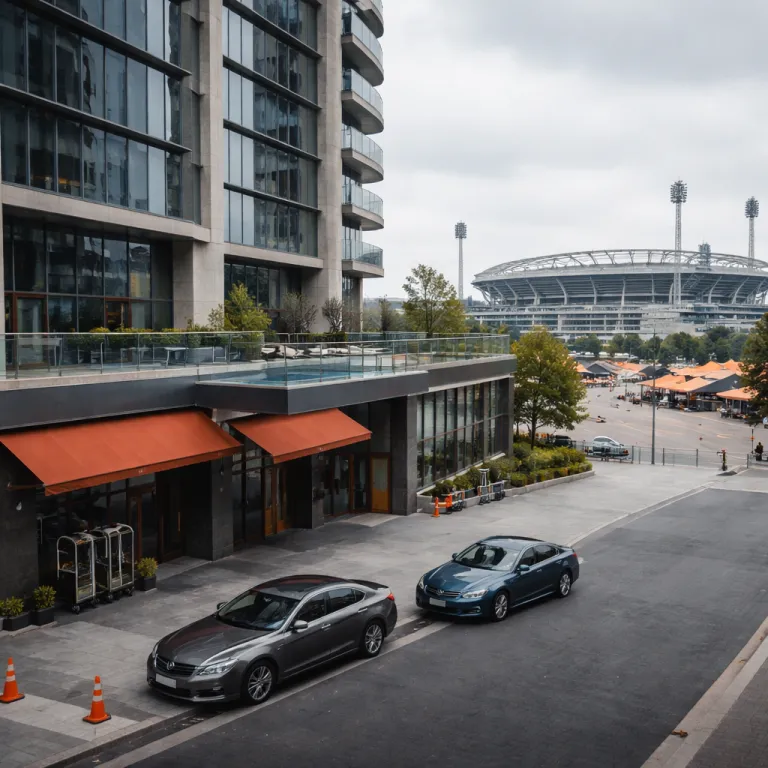
The event effect: why luxury rates spike in one city and soften in another
Major sporting events reshape hotel demand long before the first whistle blows. When global sports events lock in their host cities, luxury properties in the inner ring often see occupancy jump sharply and headline rates climb as dynamic pricing kicks in. STR’s “Super Bowl LVII Phoenix 2023: Hotel Performance Recap” reported that average daily rates (ADR) in the Phoenix metro area exceeded USD 500 on game weekend, more than double typical February levels. That is the visible surge, but the real opportunity for luxury sports travel value hunters lies just beyond the stadium lights.
As event organizers release official calendars for the Olympic Games, the FIFA World Cup or the next Grand Prix, non‑event corporate clients quietly move their meetings elsewhere. This deflection creates a halo of underused suites and room blocks in neighboring cities, where high‑end hotels suddenly compete for displaced business and leisure guests. In those halo zones, luxury travel planners can negotiate private upgrades, extended‑stay packages and late check‑out benefits that would be unthinkable inside the primary perimeter.
Sports travel demand is now treated by revenue managers as a distinct, predictable stream rather than a one‑off spike. Hotel groups, travel agencies and hospitality partners track calendar events such as the Super Bowl, NCAA championships and regional sporting events to adjust minimum‑stay rules and access conditions. CBRE’s “U.S. Lodging Outlook 2023–2024” highlights how major event calendars are now embedded in forecasting models, with host markets regularly posting double‑digit percentage lifts in ADR and revenue per available room (RevPAR). For travelers, the smartest strategy for securing premium hotel value around sports events is often to sleep one metro stop, or even one country, away from the main venue while still enjoying official access and curated experiences.
From super bowl to olympic games: mapping halo destinations and rate patterns
Look at the Super Bowl and you see the pattern in high definition. In the host city, especially when the game lands in Las Vegas or Los Angeles, five‑star hotels near the stadium sell out on official packages that bundle best seats, VIP hospitality and airport transfers. Yet one or two districts away, or across a state line, equally polished properties quietly release event‑driven promotions to keep their room blocks full.
During the Olympic Games, the effect multiplies across borders as fans combine sports travel with broader itineraries. When Games fixtures concentrate in one cluster of arenas, luxury hotels in secondary neighborhoods and nearby coastal towns often soften rates for longer stays. That is where a business‑leisure traveler can learn to pair meetings with a private driver, access to training sessions and curated sports viewing in elegant lounges.
The same logic applies to the FIFA World Cup and regional tournaments such as the Canada Cup or cross‑border matches in Canada–Mexico corridors. Primary host cities push rates to the ceiling, while second‑tier cities with direct rail or air links quietly court guests with luxury suites, spa credits and flexible cancellation. For a deeper look at how rate inflation can outpace the actual guest experience, the analysis on premium sports hospitality value shows why some official offers justify their price and others do not.
Case study snapshot: Super Bowl LVII, Phoenix 2023
STR’s “Super Bowl LVII Phoenix 2023: Hotel Performance Recap” noted that hotels in the Phoenix metro area saw ADR exceed USD 500 on game weekend, more than double typical February levels, while select upscale properties in nearby Tucson recorded far smaller increases and higher availability. At the JW Marriott Starr Pass Resort & Spa in Tucson, for example, publicly available data from major booking platforms showed lead‑in suites around USD 420–450 per night over the same weekend, compared with standard rooms at well over USD 900 in several downtown Phoenix luxury hotels. Travelers willing to base in the secondary market often secured suite upgrades and spa inclusions at a lower total trip cost than standard rooms in the host city.
Using business trips and conferences as a gateway to event driven luxury
Executives travelling for conferences often sit on the most overlooked opportunities for high‑end hotel value around sports events. When a major congress shares dates with NCAA championships, a Grand Prix or a college bowl game, corporate room blocks may be contracted months in advance at pre‑event rates. As sports demand intensifies, hotels sometimes release unsold corporate inventory as last‑minute upgrades for status guests who extend their stay into the weekend.
This is where the business‑leisure crossover becomes powerful for sports travel planners. A three‑night conference in Los Angeles can stretch into a five‑night stay that includes official access to NCAA games, curated sporting event screenings and a private table in the hotel bar for post‑match analysis. In Europe, a board meeting in Milan or Turin can be timed against the regional football calendar, unlocking luxury travel extensions in Italy where rates remain sane while stadiums fill nearby; see the detailed regional patterns in the guide to Italian luxury value stays.
Hotel industry analysts summarise the pattern clearly: “How do events affect hotel prices? Prices often surge due to high demand.” STR’s “Global Hotel Study 2022–2023” and CBRE’s “U.S. Lodging Outlook 2023–2024” post‑event reviews around recent World Cups and Olympic cycles consistently show double‑digit percentage jumps in host city occupancy and rates. The corollary is that non‑event cities, or those just beyond the main transport ring, frequently see softer pricing and richer inclusions. Savvy travelers use this divergence to secure luxury suites with spa access, club lounge privileges and tailored sports experiences while keeping overall trip budgets under control.
How to structure packages, access and room blocks for real value
For major sports events, the headline rate rarely tells the full story. What matters is how the hotel structures its packages, what level of official access is included and how flexible the terms remain if schedules shift. A well‑designed offer might bundle airport transfers, breakfast, late checkout and curated hospitality at the stadium, while a weaker one simply inflates the nightly rate without enhancing the experience.
When comparing official packages for the Super Bowl, Olympic Games or FIFA World Cup, start by mapping what you would pay if you booked each element separately. Some luxury properties in Las Vegas or Los Angeles use event‑themed branding to justify steep markups on basic rooms, while others quietly include VIP seating, private transfers and hosted pre‑game receptions. The best seats are not always in the most expensive category; sometimes a mid‑tier ticket paired with a high‑quality hotel stay delivers a better overall balance.
Group travelers should pay close attention to room blocks, especially for NCAA championships or large‑scale calendar events that attract corporate hospitality. Negotiated blocks can secure consistent rates and upgrade paths, but they can also lock you into rigid terms if demand softens. Before signing, learn how dynamic pricing might affect public rates and ask whether your group can benefit if the hotel later releases more competitive luxury sports travel offers to the wider market.
Practical tactics for securing luxury hotel deals around global sporting events
Securing the most compelling high‑end hotel offers around global sports events starts long before tickets go on sale. Use the event announcement phase to shortlist hotels in both host cities and plausible halo destinations, then track how their pricing evolves as ticket sales open. Online booking platforms, specialist travel agencies and direct hotel websites all reveal how quickly suites and premium categories are being absorbed.
For the Super Bowl or a major bowl game, that might mean pairing a stadium city day trip with a quieter base in a neighboring market where luxury travel demand dips. During the Olympic Games or FIFA World Cup, consider staying in secondary hubs connected by high‑speed rail, where you can enjoy private spa time, calmer lobbies and more attentive hospitality between matches. Sports travel veterans often book cancellable rates early, then re‑shop as dynamic pricing shifts and new packages appear closer to the event.
Bleisure travelers should also read beyond the discount headline and focus on whether the reduced rate still delivers the intended experience; the analysis on when luxury rates outpace the experience is a useful lens here. In some Canada–Mexico corridors or Canada Cup host cities, smaller markets gain overflow demand while others quietly underperform, creating rare windows for high‑value upgrades. By watching how sporting events reshape regional demand rather than chasing a single stadium, you turn the global sports calendar into a year‑round map of refined, well‑priced stays.
Step by step checklist for travelers
- Track event announcements and lock in cancellable luxury rates 6–12 months out.
- Map halo destinations within 30–90 minutes of the venue by rail or road.
- Compare package inclusions line by line against booking elements separately.
- Monitor STR‑style market updates or hotel newsletters for sudden rate shifts.
- Re‑shop your stay 30–45 days before arrival and renegotiate if public rates fall.
FAQ
How far in advance should I book hotels for major sports events ?
For flagship sports events such as the Super Bowl, Olympic Games or FIFA World Cup, booking luxury hotels six to twelve months ahead usually secures the best mix of availability and rate. Host city properties near venues often implement aggressive dynamic pricing once ticket sales accelerate. If you target halo destinations rather than the main stadium district, you can sometimes wait longer while still finding strong value.
Is it ever worth waiting for last minute luxury deals during events ?
Last‑minute deals during peak sports events are rare and often expensive, especially for suites and high‑category rooms. Hotels close to venues typically sell out through official packages and corporate room blocks, leaving only scattered inventory. Better value usually comes from flexible early bookings that you can reprice if public rates soften closer to the date.
How do I choose between official packages and independent bookings ?
Official packages can be excellent when they combine best seats, reliable transport and curated hospitality at a fair premium. Independent bookings work better if you prioritise hotel quality, privacy and the freedom to mix different sports events or cultural activities. Compare the total cost of tickets, transfers and accommodation in each scenario, then decide whether the convenience of a single contract justifies the extra spend.
What is a halo destination and why does it matter for pricing ?
A halo destination is a city or district close enough to an event venue to be convenient, but far enough that it does not capture the full intensity of demand. These areas often see softer luxury pricing and richer inclusions when primary host neighborhoods sell out. For travelers, halo destinations can deliver a calmer atmosphere, better service and more generous upgrades during busy sporting events.
Can business travelers really turn conferences into sports travel opportunities ?
Yes, especially when conferences overlap with NCAA championships, Grand Prix races or major football tournaments. Corporate room blocks often secure stable rates that look attractive once event surcharges hit public channels. By extending a trip by one or two nights, executives can enjoy high‑quality hotels, attend selected games and still keep overall travel budgets within policy.