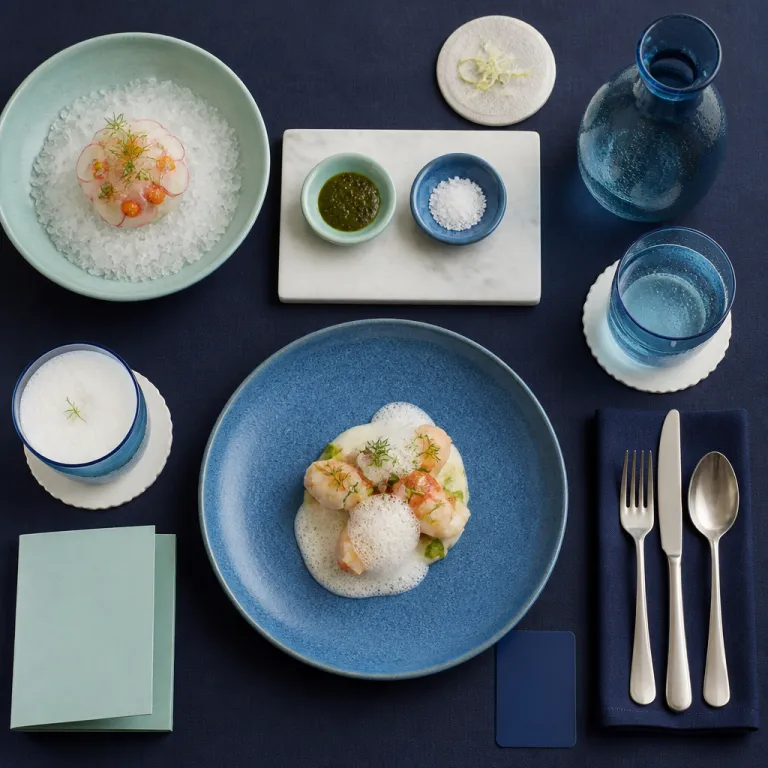
How luxury hotel dining became the reason to book
In many luxury hotels, standout restaurant experiences now drive the booking decision. Couples compare one property against another not only on the room size, spa or resort pool, but on whether the hotel restaurants feel like true destinations with a serious chef, a focused menu and a dining room that locals actually use. When you evaluate hotels and resorts today, the smartest move is to check availability for both the room and the restaurant on the same night, because the table can be harder to secure than the suite.
Internal hospitality data from stay-deals.com illustrates how far this has gone: among surveyed users in early 2024, nearly half reported planning at least one trip around a specific restaurant visit, while more than two thirds said they had returned to a hotel primarily for the dining. That shift is exactly what you feel when a hotel restaurant becomes the reason to fly. The industry has moved from treating hotel dining as a subsidised amenity to treating each restaurant, bar and café as a core expression of brand identity, with fine dining, casual concepts and even the lobby bar all designed to attract the city’s residents as much as in-house guests. For couples chasing the best luxury value, this means a sharp focus on where the chef comes from, how the menu reads, and whether the hotel offers special deals that bundle a guaranteed table with your room rate.
On stay-deals.com we see that when a view hotel pairs a strong restaurant with a compelling room product, the overall luxury perception rises dramatically. Guests will forgive a slightly smaller city room if the dining downstairs delivers a Michelin-level tasting menu or a bar program that feels like the best in town. When you read review after review that talks more about the restaurant than the resort pool, you know you are looking at a property where dining is the destination, not the afterthought.
The local test: when hotel restaurants outshine the city
The simplest way to judge high-end hotel dining is to ask one question: would locals cross the city to eat here if there were no hotel attached? When the answer is yes, you usually find a restaurant with a serious chef, a bar that feels like a neighbourhood institution and a dining room where the best tables are held for regulars, not just for guests who book table packages with their stay. In these hotels, offers like early check in or late check out are nice, but the real privilege is getting a confirmed table at the right time of night.
Loews Hotels has leaned into this philosophy across several hotels and resorts in the USA, positioning each dining venue as a local hangout rather than a captive guest canteen. At Moody Gardens Hotel in Texas, Shearn's Seafood & Prime Steaks has become a draw for Galveston residents; in 2023, a Houston Chronicle critic praised its “old-school service and Gulf-focused menu that could stand alone off-property,” a quote widely cited in local coverage, which means that when you check availability for a weekend stay you should also check the restaurant’s book table slots if you want the best view at sunset. Mohonk Mountain House in New York State takes a different route, using farm-to-table menus and partnerships with regional producers to turn its restaurants into a narrative about the surrounding landscape, which couples often rate as the highlight of their night.
In New York City, The Carlyle, A Rosewood Hotel, shows how a luxury property can use one focused restaurant to anchor its identity. Dowling's at The Carlyle operates as a fine dining room with a strong bar culture, and many guests say the restaurant’s classic menu and intimate tables are the reason they chose this hotel over other luxury hotels in the same city. In 2022, a prominent local reviewer described Dowling’s as “the kind of room where you book a stay just to justify a second dinner,” capturing exactly how a dining room can sell the suites upstairs. When you read review summaries for these properties, you will notice that the restaurant, not the resort facilities, dominates the praise, which is the clearest sign that dining has become the destination.
Case studies: when the table sells the stay
Some hotels now design their entire luxury proposition around the restaurant, turning Michelin-level dining into the main reason to book the room. The Venice Simplon-Orient-Express, for example, uses chef Jean Imbert’s cuisine on board to prove that a moving “rail hotel” can still deliver one of the most memorable fine dining experiences in European travel, and couples often plan their whole night around a specific table and tasting menu. Here, the view is constantly changing, but the consistency of the dining room and the bar program is what converts a journey into a rolling luxury hotel.
In Greece, Four Seasons Resort at Kuda Huraa–style integrated design has inspired properties such as Four Seasons Resort and Residences at The Pearl-Qatar and other Mediterranean resorts to work with studios like Rockwell Group on dining concepts that make their restaurants feel like standalone venues, not just resort appendages. Guests who check availability for peak season quickly realise that securing a restaurant reservation can be as competitive as the room booking, especially for sunset view hotel terraces where the bar, the restaurant and the poolside dining all merge into one long evening. This is where luxury hotel dining becomes a full resort experience, with multiple menus, different chefs and a choice of atmospheres across the night.
Aman Tokyo takes a more restrained approach, using traditional Japanese cuisine and hotel-only access to certain dining rooms to create a sense of calm exclusivity in the middle of the city. The main restaurant focuses on precise, seasonal menus, while smaller dining spaces and the bar offer more intimate tables with skyline views that feel far removed from the busy streets of Tokyo. In London, Hélène Darroze at The Connaught shows how a Michelin-starred restaurant with multiple stars can anchor a luxury hotel; many couples book the room primarily to secure a table here, treating the suite as the supporting act to the tasting menu.
Global hotspots: hong kong, los angeles and the rise of coffee as a quality signal
In Hong Kong, luxury hotel dining has become a competitive sport, with Michelin-star venues stacked inside skyscraper hotels that double as city landmarks. Properties like the Mandarin Oriental, Hong Kong use their restaurants and bars to attract both international guests and local residents, proving that a luxury hotel can be a serious player in the city’s fine dining scene. When you check availability at these hotels, you should treat the restaurant reservation system almost like a separate booking engine, because the best tables with the harbour view can vanish weeks before the last rooms sell.
Los Angeles offers a different template, where hotels and resorts use restaurant terraces, poolside bars and lobby cafés to create an all-day dining ecosystem that feels more like a social club than a traditional resort. Here, the best luxury properties understand that couples might spend more waking hours in the bar, the restaurant and the café than in the room, so they invest heavily in design, acoustics and lighting to make every night feel like an event. When you read review summaries for leading LA hotels, you will often see more detail about the brunch menu, the cocktail list and the late night snacks than about the gym or spa.
A quieter but telling trend is the rise of craft coffee programs as a proxy for overall hotel quality. When a luxury hotel invests in a serious coffee bar, with trained baristas, a thoughtful menu and beans sourced with the same care as wine, it signals that the dining philosophy extends to every part of the day, not just the evening restaurant service. For couples comparing similar hotels and resorts on stay-deals.com, a strong coffee program, a coherent set of restaurants and clear special offers that bundle breakfast, dinner and late checkout can be the deciding factors that turn a good booking into the right one.
How to read hotel dining like an insider when booking
When you are comparing luxury hotel dining options, start by reading the menus before you even check the room photos. A serious restaurant will show a clear point of view, seasonal ingredients and a chef whose name appears consistently across the hotel’s communication, rather than a generic list of international dishes that could belong to any resort. If the property offers multiple restaurants, look for variety in style and price, so you can enjoy fine dining one night and a more relaxed bar or casual restaurant the next.
Next, run the local test by checking how hard it is to book table slots at peak times, and whether the restaurant appears on independent city guides or local social media feeds. If reservations for the dining room are scarce while rooms are still available, you are probably looking at a hotel where the restaurant sells the room, not the other way around, which is usually a good sign for couples who care about food. Always read review sections that focus specifically on dining, paying attention to comments about service pacing, noise levels and whether the bar and restaurant feel integrated or like separate, disjointed spaces.
Finally, use special offers intelligently by choosing packages that guarantee a table, include a chef’s menu or pair the restaurant with a spa or late checkout benefit. On stay-deals.com, for example, our guide to Genoa hotels with personalised concierge itineraries shows how a strong concierge team can secure the right restaurant in the right city night after night. When you approach hotel booking this way, treating the restaurant, the bar, the view and the dining room as core reasons to choose one luxury hotel over another, you turn every stay into a curated experience rather than just another room key.
FAQ
How can I find hotels with exceptional restaurants before booking ?
Start by searching for hotel restaurants that appear in independent city guides, then read review sections that focus on dining rather than only on the room. Check availability for both the room and the restaurant on your preferred night, and see whether locals recommend the venue as one of the best places to eat in the city. Hotels where restaurant reservations are harder to secure than rooms usually offer stronger overall dining quality.
Why are more hotels focusing on gourmet dining experiences ?
Hotels have realised that fine dining and strong restaurant concepts can attract non resident guests, build brand identity and diversify revenue beyond room nights. Many luxury properties now partner with renowned chefs, invest in Michelin-level kitchens and design bars and dining rooms that feel like standalone city venues. This shift turns the restaurant into a primary reason to book the hotel, especially for couples planning food led trips.
Which hotels are known for notable dining experiences ?
Several properties stand out for memorable hotel dining, including Loews Hotels with their locally focused restaurants, Moody Gardens Hotel with Shearn's Seafood & Prime Steaks and Mohonk Mountain House with its farm to table approach. In New York City, The Carlyle is renowned for Dowling's, a fine dining restaurant that draws both guests and locals. Internationally, Aman Tokyo, The Connaught in London and Mandarin Oriental, Hong Kong all use high level hotel dining to anchor their luxury positioning.
What is the “local test” for judging a hotel restaurant ?
The local test asks whether residents of the city would visit the hotel restaurant even if they were not staying in the hotel. If locals struggle to book table reservations at prime times, talk about the restaurant as one of the best in town and use the bar or café as a regular meeting spot, the dining offer is likely strong. This test helps couples avoid captive audience restaurants that rely only on in house guests.
How should couples use dining quality as a proxy for overall hotel quality ?
When a luxury hotel invests in a serious restaurant, a well run bar and thoughtful breakfast and coffee programs, it usually reflects a wider culture of detail and service. Couples can look at menu design, chef credentials, Michelin stars or local awards, and how the hotel structures special offers that include dining benefits. Strong food and beverage operations often correlate with better maintained rooms, more attentive staff and a more coherent overall resort experience.