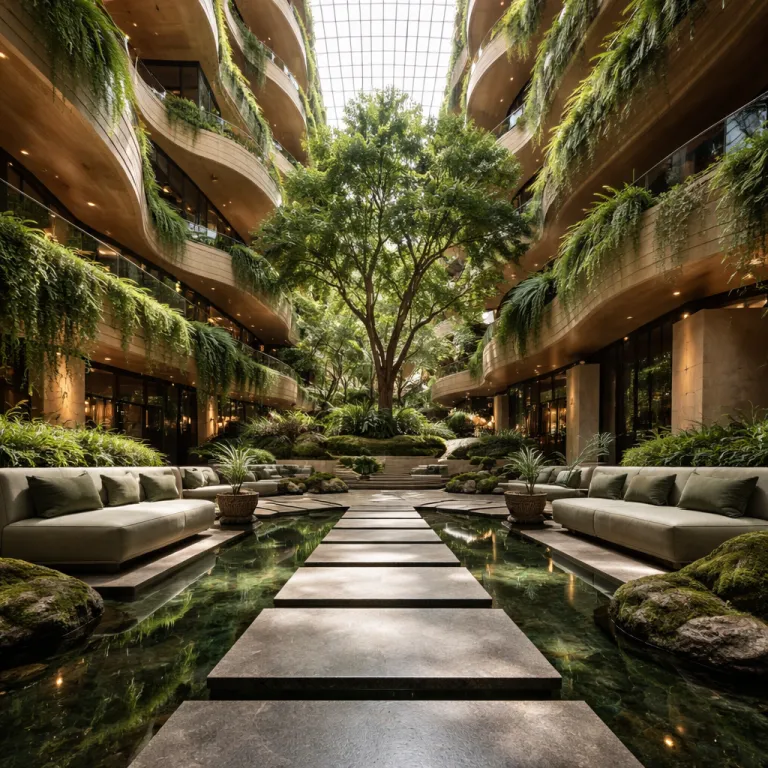
Biophilic hotel design as the new language of luxury
Biophilic hotel design has shifted from trend to quiet expectation for many couples. When a hotel uses architecture and interior design to connect guests with nature, the result feels less like décor and more like a reset for the nervous system. In hospitality and environmental psychology research, experts now state clearly that “biophilic design calms the mind and strengthens guests' connection to nature”, echoing findings from studies by Stephen Kellert and Terrapin Bright Green on stress reduction in nature‑rich spaces.
At its core, biophilic hotel design means integrating natural elements directly into the architecture and interior, not sprinkling plants in a lobby and calling it a day. Hotel designers, architects and sustainability consultants work together so that wood, stone, water and natural light shape the hotel interior from the first sketch, creating a natural environment that supports well‑being. This design approach has grown steadily since the early biophilia experiments in architecture, then accelerated in hospitality as urban guests sought restorative places that feel genuinely nature‑inspired and emotionally grounding.
For couples choosing between similar hotels, this shift matters because it changes how a stay feels from morning to night. A biophilic hotel uses architectural design to frame views of trees or sea instead of parking lots, and it positions rooms so that natural light reaches the bed rather than the corridor. When you wake to filtered daylight, cross a hotel lobby lined with living walls and step into a spa that smells of cedar rather than chlorine, the guest experience becomes sensorial, layered and memorably romantic. As one pair described after a weekend at a forest resort, “we arrived exhausted and left feeling like we had taken a deep breath that lasted three days.”
From cosmetic greenery to architecture shaped by nature
Many hotels now talk about biophilic design, yet only a fraction allow nature to guide the architecture itself. Cosmetic gestures rely on potted palms in the lobby, a jungle‑print cushion in the interior design scheme, or a token green wall near the spa reception. Genuine biophilic hotel design starts earlier, when the resort masterplan or hotel design brief asks how the building can sit within the landscape rather than on top of it, a principle seen in projects by studios such as WOHA in Singapore and Patricia Urquiola’s nature‑focused resort interiors.
In the strongest hotels and resorts, architectural design and landscape are inseparable, so paths follow existing trees, façades shade rooms naturally, and interior biophilic strategies reduce the need for aggressive air conditioning. The best hotel interior projects use natural materials such as local stone, reclaimed timber and clay plaster, then layer natural light, cross‑ventilation and water features to cool spaces passively. This is where design‑with‑nature thinking intersects with eco‑friendly performance, often lowering the carbon footprint while raising comfort for every guest; some properties report double‑digit reductions in energy use after adding shading, greenery and daylight‑first layouts.
Look at how some hotels and resorts now echo the ambition of Changi Airport and its Jewel Changi complex, where biophilic design turns an airport into a lush indoor valley. The lesson for luxury properties is clear: when living walls, indoor trees and daylight are structural, guests instinctively slow down and stay longer in shared spaces. For couples, that can mean lingering over a drink in a hotel lobby that feels like a garden pavilion rather than retreating immediately to the room, which is exactly the kind of design risk praised in analyses of bold hotel interiors and the death of beige design trends.
How biophilic hotel interiors shape the couple guest experience
For romantic trips, the difference between a standard luxury hotel and a biophilic hotel is rarely about thread count. It is about how the interior design choreographs light, shadow, scent and sound so that two people feel cocooned rather than processed. When biophilia guides hotel interior decisions, every transition from lobby to room to spa becomes part of a calm narrative instead of a sequence of disconnected zones, and couples feel that the entire building quietly supports time together.
In guest rooms, biophilic design principles favour generous windows, operable shutters and balconies that frame nature‑inspired views, even in dense cities. Natural elements such as linen, wool, rattan and stone replace glossy synthetics, while patterns echo leaves, waves or geological strata rather than generic graphics. Couples notice this subconsciously; the room feels quieter, the air fresher, and the boundary between interior and natural environment softer, which encourages slower mornings and earlier nights in. In post‑stay surveys, many guests mention sleeping better and waking more rested when they can see greenery or sky from the bed.
Shared spaces matter just as much, especially for couples who treat the hotel as part of the trip rather than a base. A hotel lobby with living walls, indoor trees and filtered natural light invites guests to sit, talk and plan the day instead of rushing straight out. When the spa extends this biophilic interiors language with warm stone benches, water sounds and a view to a small garden or even a tropical courtyard, the guest experience becomes a continuous immersion in nature rather than a single scheduled treatment. A simple ritual such as sharing tea on a terrace overlooking a pool or courtyard can become the moment couples remember most vividly.
Biophilic design across climates: tropical, Mediterranean and temperate stays
Biophilic hotel design looks different in a tropical resort than in a temperate city hotel, yet the intent remains the same. In warm, humid climates, hotels and resorts often lean into jungle inspiration with open‑air corridors, deep overhangs and courtyards that pull breezes through the architecture. Here, natural elements such as pools, ponds and shaded gardens work with natural light to cool spaces passively, reducing energy use while keeping guests comfortable; some island properties report that shaded walkways and cross‑ventilation cut mechanical cooling hours significantly.
Mediterranean properties tend to use nature‑based design strategies that balance sun and shade, with whitewashed walls, stone floors and pergolas draped in vines. Hotel designers in these regions often source local stone and timber, then orient rooms to capture sea views and cross‑ventilation, which keeps the hotel interior bright yet cool. Couples benefit from terraces that feel like outdoor living rooms, where the boundary between interior design and landscape almost disappears at sunrise and sunset, turning everyday rituals like breakfast or an evening glass of wine into quietly cinematic moments.
In temperate or urban settings, where a jungle backdrop is impossible, architectural design leans on courtyards, rooftop gardens and carefully framed views of parks or rivers. Some airport hotels now borrow cues from Changi Airport and Jewel Changi by integrating indoor trees, skylights and living walls into the hotel lobby to offset the hardscape outside. For deal‑focused travelers, these biophilic hotels can be smart choices in shoulder seasons, when rates soften yet the guest experience still delivers the full nature‑inspired narrative described in analyses of how more Europeans are travelling and seeking meaningful, design‑led stays that feel restorative rather than purely functional.
Choosing biophilic hotels that justify the premium rate
For couples scanning luxury deals, the challenge is separating genuine biophilic hotel design from marketing language. Start by looking at floor plans and photography: does the architecture clearly prioritise natural light, views and outdoor access, or are plants added as afterthoughts in the lobby? A true biophilic hotel will show courtyards, gardens, terraces and water features integrated into the circulation routes, not hidden as optional extras, and you will often see couples pictured using these spaces rather than posing only in the room.
Next, read how the property talks about materials, energy and landscape, because eco‑friendly claims should align with visible design choices. Hotels and resorts that take biophilia seriously often mention local stone, reclaimed wood, rainwater systems and shading strategies, all of which signal that natural elements are doing real work. When a spa highlights daylight, outdoor treatment spaces or nature‑inspired rituals rather than only equipment lists, it usually reflects a deeper biophilic interiors philosophy rather than a surface‑level theme, and reviews often echo this with comments about how relaxed guests felt after even a short stay.
Finally, pay attention to guest reviews that mention sleep quality, air, quiet and how the place feels at different times of day. Comments about birdsong at breakfast, dappled light in the hotel lobby or the pleasure of walking barefoot on warm stone floors indicate that design‑with‑nature thinking has reached the level of everyday experience. For couples, those are the stays that linger in memory long after the rate has faded, proving that when hotel design and biophilic principles align, the real luxury is feeling genuinely connected to nature for a few carefully chosen nights.
FAQ
What is biophilic hotel design ?
Biophilic hotel design means incorporating natural elements into hotel architecture and interiors so that guests feel more connected to nature. It uses materials such as wood and stone, indoor greenery, water features and abundant natural light as structural parts of the building, not as decoration. The goal is to create a natural environment that supports well‑being, comfort and a richer guest experience, especially for couples seeking restorative, design‑led stays.
How does biophilic design benefit hotel guests ?
Biophilic design benefits guests by reducing stress, improving mood and supporting better sleep through exposure to nature‑inspired spaces. Research in workplaces has shown that such environments can even reduce sick days significantly, and hospitality projects apply the same principles to lobbies, rooms and spas. Couples often report feeling calmer, more rested and more present with each other in hotels where biophilia shapes both interiors and outdoor areas, turning short breaks into meaningful pauses from everyday life.
What are common features of biophilic hotels ?
Common features of biophilic hotels include generous natural light, indoor plants, living walls and views of gardens, water or landscape. Many properties use local, natural materials in their interior design, such as stone floors, timber ceilings and textiles with organic patterns. You will also see courtyards, rooftop gardens, shaded terraces and spa areas that open directly to the outdoors, along with details like operable windows, balconies and shaded walkways that make it easy to move between inside and outside.
How can I tell if a hotel uses genuine biophilic design ?
To spot genuine biophilic design, look for architecture that clearly integrates nature, such as rooms oriented toward views, courtyards on floor plans and outdoor paths that feel intentional. Photos should show natural elements doing real work, like shading, cooling or framing spaces, rather than a few plants placed randomly. When reviews mention light, air, gardens and how the hotel feels at different times of day, it usually signals that biophilic thinking runs through the whole property and is not just a styling choice.
Are biophilic hotels always more expensive ?
Biophilic hotels are often positioned in the luxury or premium segment, but they are not always the most expensive option in a destination. Because many rely on passive cooling, natural light and local materials, operating costs can be competitive, which sometimes translates into attractive shoulder‑season rates. Deal‑focused couples can look for these properties outside peak dates to enjoy a high level of design and nature connection at a more accessible price, especially in destinations where new, eco‑conscious resorts are competing for guests.