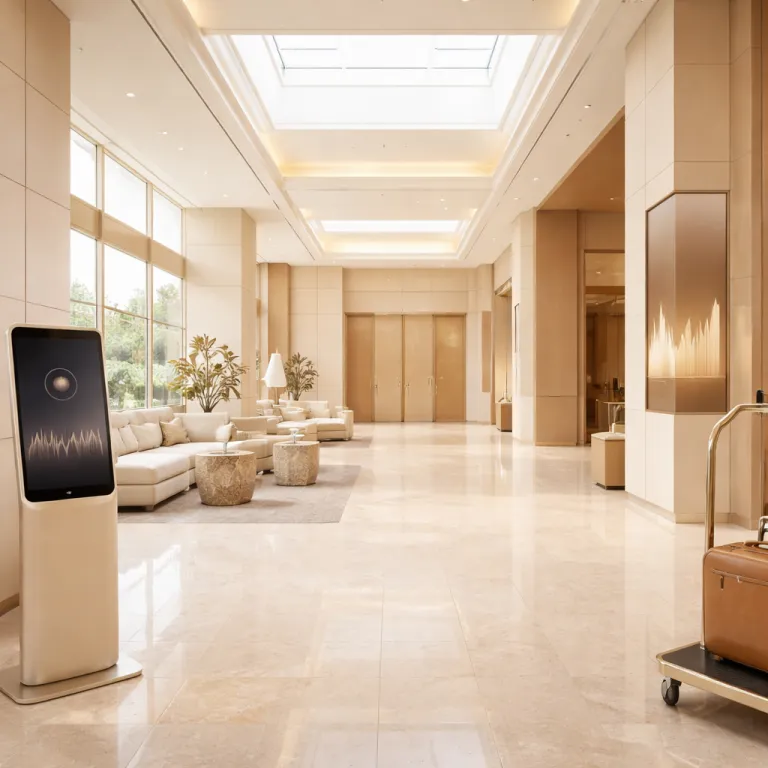
From lobby desk to algorithm: how AI concierges reshape the stay
The phrase ai hotel concierge dynamic pricing sounds clinical, yet for the modern guest it now defines how a stay feels from the first message to the final bill. In luxury hospitality, AI powered concierge services are no longer a futuristic flourish; they are the quiet engine that lets a hotel handle complex requests in one minute instead of the forty minutes a stretched équipe de réception once needed, and that speed is changing expectations for service at every tier. For travelers used to boardrooms and airport lounges, the question is no longer whether artificial intelligence is present in hotels, but whether it genuinely improves the guest experience rather than simply cutting staff.
Across leading hotels, the AI hotel concierge often sits in your pocket as a chat interface or voice assistant, answering in real time when you land late and need a light supper held in the bar. This digital concierge can manage pre arrival preferences, from hypoallergenic pillows to a 07:00 car to the client office, and it can coordinate with human staff so that services appear seamless rather than scripted. The hospitality industry has learned that the goal is, as one influential trend report puts it, "no longer to showcase technology but to use it to remove friction"; the best implementations enhance guest interactions instead of inserting another layer of digital noise.
For the hotel, this shift is about more than shiny tools; it is about operational efficiency and revenue management. AI platforms now sit behind the scenes, routing guest communication to the right department, flagging urgent issues, and freeing staff to focus on high value, face to face service. When an AI concierge can handle routine concierge services such as restaurant confirmations, late check out requests, or spa bookings, the human concierge and front office management team can concentrate on the nuanced guest experiences that build loyalty and guest satisfaction over years, not just nights.
On stay-deals.com, we see this most clearly in properties where hospitality businesses have integrated AI without sacrificing warmth. A well trained hotel concierge system will remember guest preferences across stays, from the exact espresso order to a quiet room away from the lift, and it will surface these données to staff before you arrive. That is where AI driven concierge tools and dynamic pricing intersect with service; the same artificial intelligence that optimizes revenue can also enhance guest comfort when used with restraint and clear boundaries around customer privacy.
Inside the algorithm: what dynamic pricing really means for your rate
Dynamic pricing in a luxury hotel used to mean a revenue manager adjusting rates manually once or twice a day; now, with integrated AI concierge and pricing systems, prices can shift in real time based on dozens of signals. These signals include competitor pricing across comparable hotels, historical bookings patterns for similar dates, and even how quickly a particular room category is selling on direct bookings versus corporate channels. For the business leisure traveler, understanding these mechanics is the difference between paying the walk in rate and securing a quietly excellent deal that still respects the property’s positioning.
Modern revenue management software, often supplied by specialist AI technology providers, ingests live market data and recommends rate changes that hotel management can accept or fine tune. The hospitality industry has moved from static price lists to responsive pricing tools that are powered by artificial intelligence and calibrated to protect both occupancy and average daily rate, and this shift is especially visible in high demand city hotels where last minute bookings once commanded a steep premium. When you see a rate drop by 18% between morning and evening, you are watching an algorithm react to competitor pricing, search demand, and unsold inventory in real time rather than a human manager suddenly becoming generous.
For travelers scanning stay-deals.com, the practical question is how to work with, not against, these systems. One tactic is to monitor flexible dates around major events; when a conference ends and corporate demand falls away, AI driven hotel pricing engines often release more attractive rates for guests willing to stay an extra night or shift arrival by twenty four hours. Another is to use a hotel’s own website for direct bookings, where hospitality businesses sometimes reserve their most finely tuned offers, including value added services such as airport transfers or late checkout, to reward customers who bypass intermediaries.
Consider a property like the Mayfair Inn and Suites in Long Island City, where our detailed review of elegant stays and pricing patterns shows how subtle shifts in demand reshape nightly rates. When occupancy forecasts soften, AI powered revenue management tools may quietly open up higher room categories at near entry level prices, effectively enhancing guest experiences without a public sale. For the frequent guest who understands this dance, the reward is a suite instead of a standard room, secured at a rate that reflects both market data and the hotel’s desire to maintain perceived value.
Data, privacy and the new etiquette of being a frequent guest
Behind every tailored welcome amenity and every precisely calibrated rate sits a growing pool of guest data, and AI enabled concierge pricing strategies depend on that information being both rich and responsibly handled. Luxury hotels now track not only bookings history and spend per stay, but also granular guest preferences such as pillow type, minibar habits, and even patterns in guest communication with the concierge. Used well, these données allow hospitality businesses to enhance guest comfort and streamline service; used carelessly, they risk eroding trust in a sector that trades on discretion.
When an AI powered hotel concierge suggests a late checkout because it has learned that your flights usually depart after midday, that is artificial intelligence turning data into a tangible guest experience. The same system might also flag you as a high value customer to revenue management teams, who then decide whether to extend a preferential rate or a complimentary service to secure your next booking. For the traveler, the etiquette question is how much information to share during pre arrival questionnaires and in stay guest interactions, knowing that every detail can feed both service design and pricing models.
Regulators, particularly in Europe, are paying close attention to how the hospitality industry uses AI for marketing and pricing, and that scrutiny will only intensify as AI assisted concierge and pricing tools become standard. Guests should expect clearer explanations of how their données are used, along with options to opt out of certain types of profiling without losing access to core services. When evaluating hotels in destinations such as Cartagena, our guide to where to stay for the best areas and hotels now considers not just design and location, but also how transparently each property communicates about data use and AI driven tools.
There is also a quieter operational layer that most guests never see, where predictive maintenance systems monitor lifts, air conditioning, and in room technology to prevent failures before they disrupt a stay. These AI powered tools contribute to operational efficiency and guest satisfaction by reducing the likelihood of mid meeting outages or late night room moves, even though they rarely appear in marketing copy. In this sense, the same artificial intelligence that refines pricing and concierge services is also working behind the scenes to keep the physical hotel running smoothly, which is a form of hospitality as vital as any welcome drink.
Winning the new game: strategies for business leisure travelers
For executives who extend business trips into leisure, algorithmic hotel concierge and pricing systems are not a threat; they are an opportunity to align your patterns with the hotel’s own objectives. Corporate bookings often fill midweek and leave shoulder nights under pressure, which means a guest who adds a Sunday or Thursday stay can unlock rates and services that the algorithm is eager to offer. The key is to think like a revenue manager while still behaving like a discerning traveler who values service, space, and time.
Start by using AI powered tools on the guest side as deliberately as hotels use them on the management side. Many hospitality businesses now offer chat based booking journeys where a voice assistant or text concierge can quote rates, suggest alternative dates, and even flag when competitor pricing is driving a temporary promotion, and these channels often surface options that static booking engines hide. When you engage with these services as a repeat customer, you give the system more context about your guest preferences, which in turn can improve both the relevance of offers and the quality of in stay service.
Next, pay attention to how direct bookings are framed on a hotel’s website, especially on curated platforms such as stay-deals.com that specialise in luxury deals rather than mass discounts. Articles like our analysis of how European travel demand reshapes luxury deal opportunities show that when demand surges, hotels lean more heavily on AI enabled revenue tools to protect rate integrity while still rewarding loyal guests. In practice, that can mean value added services, such as complimentary transfers or spa access, instead of headline rate cuts, and a savvy traveler will calculate total stay value rather than fixating on the nightly price alone.
Finally, remember that even in a world of artificial intelligence, human staff remain the arbiters of exceptional hospitality. An AI concierge can handle routine guest communication and logistics in real time, but it is the front office équipe and concierge desk that can bend rules, upgrade a room, or arrange a last minute table at a fully booked restaurant when your client dinner runs late. Treat the AI systems as efficient first responders and the human team as strategic partners, and you will find that the blend of technology and traditional service can enhance guest experiences in ways that feel both modern and deeply personal.
Key figures on AI concierges, dynamic pricing and luxury hotel deals
- More than 300 luxury and upscale hotels worldwide are reported by some AI vendors to be using AI concierges, indicating that automated concierge services and dynamic pricing tools have moved from pilot projects to mainstream practice in high end hospitality (illustrative figure based on Myma AI communications, global sample, 2023; vendor supplied estimate, not an independent audit).
- AI concierge deployments are claimed by certain technology providers to have reduced routine staff workload by up to 70%, freeing human équipes to focus on complex guest interactions and high value services that directly influence guest satisfaction and loyalty (self reported impact from Blam.AI case studies, multi property analysis, 2022–2023; results may vary by hotel and implementation).
- Industry surveys from Hospitality Financial and Technology Professionals (HFTP) and similar bodies indicate that a growing majority of hotels now rely on AI powered revenue management systems that adjust rates in real time based on demand, competitor pricing, and bookings pace, making dynamic pricing a core competency rather than an experimental add on (summary of global technology adoption reports published in 2022–2023, available via HFTP’s official publications).
References
- Hospitality Financial and Technology Professionals (HFTP) reports on AI and revenue management in hotels, 2022–2023 editions, including technology adoption surveys and best practice guidance for revenue leaders.
- European Union regulatory communications on AI use in pricing and marketing within the hospitality industry, including guidance published around the AI Act and GDPR enforcement by the European Commission and national data protection authorities.
- Accor corporate communications on AI concierge services and digital guest experience initiatives, such as press releases and investor presentations from 2021–2023 outlining pilot projects, rollout timelines, and reported impacts on guest satisfaction scores.