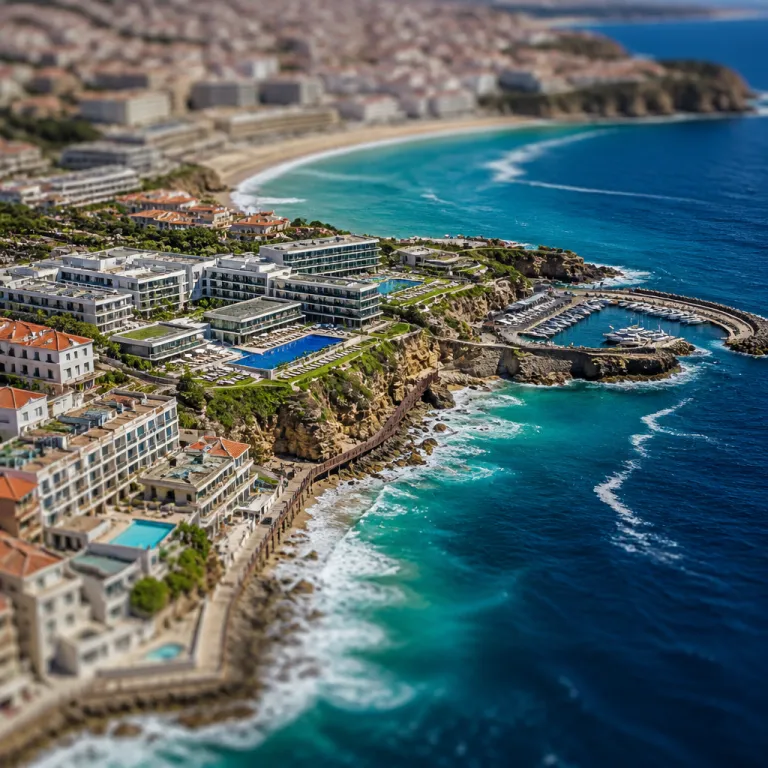
Portugal’s luxury value gap: why high-end stays still cost less
Portugal has become the rare European destination where luxury hotels still feel underpriced. While room rates are climbing, they remain roughly 30 to 40 percent below comparable French and Italian hotels for similar locations and service levels, according to 2023 benchmarking data from STR and JLL’s European City Hotels series (STR, European Hotel Review 2023; JLL, European City Hotels 2023). For families planning travel, that gap is widening as new luxury resorts open faster than demand can fully absorb them.
Market data from leading hospitality analysts shows revenue and average daily rates rising steadily across hotels in Portugal, yet service quality is not increasing at the same pace. JLL’s Portugal Hotel Market Overview Q1 2024 notes that upscale and luxury properties posted mid-single-digit revenue growth while guest satisfaction scores remained broadly flat. In that report, Lisbon’s five-star hotels recorded an ADR close to €230 in early 2024, still materially below Paris and Rome. This creates a sweet spot for travelers who care about both price and experience, especially when they compare five-star hotels in Lisbon with Paris or Rome. The key is knowing which hotel or resort converts that pricing advantage into real value for your stay.
Industry experts point to rising operational costs and strong demand as the main drivers of higher luxury rates in Portugal. At the same time, many high-end hotels are investing in staff training, guest feedback systems and AI driven personalization to protect their reputation. As one recent JLL analysis of Iberian hospitality trends puts it with clarity: “Luxury hotel rates in Portugal are rising faster than service quality, widening the value gap.” A senior Lisbon-based revenue manager quoted in the same context summarises the situation: “We are still cheaper than our peers, but guests now expect Paris-level polish at Lisbon prices.”
For families, that gap can translate into larger rooms, better located hotels and more generous inclusions for the same budget. A family of four visiting in late May might secure a two bedroom suite with Atlantic views in the Algarve for around €650 per night, compared with €900 or more for a smaller city room in another European capital. When you layer in Portugal’s child friendly food culture and safe beaches, the value proposition becomes even stronger for multi generational travel.
To use this advantage well, you need to think like a revenue manager rather than a casual tourist. Book early for peak school holiday periods, but look at shoulder season dates where rates soften while weather stays mild. For example, a Lisbon stay in early October can price 20 to 25 percent below August while offering similar sunshine. Combine this with targeted luxury tours and curated experiences across the country, and you can build a trip that feels indulgent without straining your budget.
Lisbon for families: palaces, design stays and smart booking windows
Lisbon is where many travelers first test the promise of luxury hotel deals in Portugal for 2026. The city’s palace style properties and contemporary design hotels offer a spectrum of experiences that still price below equivalent Parisian or Milanese addresses. For families, the trick is matching neighborhood, room configuration and booking window to your travel rhythm.
In the riverside west, grand palace hotels deliver old world drama with gardens, pools and space that feels rare in a European capital. These hotels often sit in residential districts where children can walk safely, and where a private car transfer to central Lisbon takes minutes rather than an hour. In contrast, design forward hotels in Príncipe Real or Santos place you amid galleries, cafés and fine restaurants, ideal for parents who want to step out after bedtime.
Look closely at how each hotel in Lisbon structures its family offering before you commit. Some luxury properties include sofa beds and extra cots at no charge, while others require connecting rooms that double your nightly rate. The best value often comes from independent hotels based in Portugal, where direct booking unlocks exclusive extras such as airport transfers, late checkout or credits at on site restaurants.
Families who plan their travel itinerary around school calendars should target late spring and early autumn. During these shoulder periods, palace hotels and urban resorts tend to release more aggressive offers, especially for stays of four nights or longer. A five night stay in late April, for instance, might include complimentary breakfast and a guaranteed upgrade that would not be available in August. You will also find that spa access, kids’ clubs and poolside cabanas are easier to secure without the peak season crush.
For travelers comparing global value, it is worth reading how other markets behave in similar conditions. A detailed analysis of luxury hotel deals unlocked by currency shifts in Japan shows how timing and macroeconomics can transform a destination’s perceived cost. Lisbon is not a currency play in the same way, but the principle holds: understand the local cycle and you capture the best of the luxury offers Portugal is expected to show in 2026.
Porto, Gaia and the Douro: wine country luxury that still feels underpriced
Head north and the value story deepens across Porto, Vila Nova de Gaia and the Douro Valley. Here, wine estates, hillside lodges and riverside hotels combine vineyard scenery with pricing that still lags behind Tuscany or Provence. For families who enjoy space, nature and gastronomy, this region quietly delivers some of the strongest upscale hotel deals in Portugal for 2026.
In central Porto, renovated townhouses and heritage hotels cluster around the riverfront and historic core. Cross the bridge into Vila Nova de Gaia and you enter a different rhythm, where wine lodges and contemporary hotels overlook the cellars that made the city famous. The Porto Gaia riverfront has evolved into a polished collection of properties, many with pools and family friendly suites that work well for three or four guests.
Look for packages that combine accommodation with curated wine experiences and Douro Valley excursions. Many luxury tour operators based in Portugal now bundle private boat trips, vineyard lunches and cellar tastings into multi night stays, which can be better value than booking each element separately. This is where the idea of “luxury hotels Portugal 2026 deals” becomes tangible: you are not just saving on the room, you are compressing the cost of high end experiences into a single, negotiable rate.
Further upstream, Douro Valley resorts and rural hotels offer terraces, pools and views that rival far pricier European wine regions. Families can split days between river cruises, easy hikes and relaxed time by the hotel spa pool, while parents rotate through more serious wine tastings. When you compare this with similar wine focused trips in Italy, recent analyses of Italian luxury hotel value show that Portugal still undercuts on both nightly rates and tasting menu prices.
To sharpen the value further, consider midweek stays in Porto and Nova Gaia, when corporate demand softens and dynamic pricing models ease. Direct contact with the reservations team can unlock exclusive inclusions such as complimentary tours on the Portuguese side of the river or transfers to key Douro Valley viewpoints. For multi room family bookings, this personal approach often beats anonymous platform discounts and keeps the best 2026 hotel offers in Portugal firmly in your favour.
Algarve and Alentejo: beyond golf resorts to coastal and countryside retreats
The Algarve is often reduced to golf resorts and crowded beaches, yet its most compelling luxury stays sit on cliffs, farms and quiet coves. Families willing to step slightly away from the main strips will find resorts and hotels where the Atlantic feels close and the pace slows. Here, the value gap with other Mediterranean coasts becomes especially clear.
Properties such as Vila Vita Parc show how a large resort can still feel intimate for multi generational travel. The wider estate offers villas, suites and rooms that adapt to different family sizes, with pools and lawns that give children space to roam. When you compare these configurations with similar resorts in Spain or southern France, the square metre per euro ratio often favours high end hotels in Portugal by a comfortable margin.
Look for packages that include half board, kids’ clubs and access to spa facilities, as these can significantly reduce on the ground spending. Many Algarve hotel restaurants now lean into fine local produce, from seafood to regional wine, which keeps quality high even on inclusive plans. Families who enjoy active travel can add boat trips, coastal walks and guided tours across Portugal, without feeling that every extra pushes the budget over the edge.
Shift north to the Alentejo coast and the mood changes again, with wild beaches, cork forests and minimal development. New luxury hotels and small scale resorts are opening along this stretch, often with a strong sustainability focus and a preference for private villas or suites. For families, this means more privacy, safer spaces for children and a calmer atmosphere than the busier Algarve towns.
Because Alentejo remains less internationally known, rates here often sit below comparable coastal retreats elsewhere in Europe. This is where the “luxury hotels Portugal 2026 deals” narrative becomes most pronounced: you are accessing frontier level experiences at pre hype pricing. Combine a few nights in the Algarve with a quieter Alentejo stay, and you create a balanced itinerary that maximizes both variety and value.
Madeira and beyond: island escapes, spa culture and neuro architecture
For families who prefer subtropical greenery to mainland heat, Madeira Island offers a different expression of Portuguese luxury. Terraced hotels cling to cliffs, while resorts with lush gardens and pools create self contained worlds above the Atlantic. Despite the dramatic settings, nightly rates still undercut many comparable island destinations in the Mediterranean.
On Madeira Island, look for hotels that combine family friendly facilities with serious wellness programs. A strong spa offering can transform a multi generational trip, giving parents and grandparents quiet time while children enjoy supervised activities. Some properties are now integrating neuro architecture principles into room design, using light, sound and layout to lower stress; a trend explored in depth in recent hospitality research on how smart hotel rooms are designed to reduce cortisol.
These design choices matter when you are evaluating luxury hotel deals in Portugal for 2026, especially for longer stays. A well planned room with good acoustics, blackout curtains and intuitive controls can be the difference between a restorative week and a tiring one. Families should pay attention to floor plans, balcony safety and the availability of private outdoor space when comparing hotels and resorts.
Beyond Madeira, smaller coastal towns on the mainland are quietly building their own collection of high quality hotels. Some align with international brands such as Tivoli, while others remain independent but aspire to Condé Nast level recognition. For value focused travelers, this second tier of destinations often hides the most interesting upscale offers in Portugal, especially outside peak holiday weeks.
As you plan, remember that travel across Portugal is relatively easy, with short internal flights and efficient highways. This makes it realistic to combine an island stay with time in Lisbon, Porto or the Algarve within a single trip. The more you diversify locations, the more you can exploit regional price differences while keeping the overall experience firmly in the luxury bracket.
How to book: direct strategies, family leverage and timing the market
Securing the best of luxury hotel deals in Portugal for 2026 is less about promo codes and more about strategy. Portuguese hoteliers, especially independents, still value direct relationships and reward guests who engage early and clearly. Families, with their higher total spend, have more leverage than they often realize.
Start by shortlisting three to five hotels in each region that genuinely fit your needs. Use a detailed travel guide or trusted review platforms to assess room sizes, locations and service culture, rather than chasing the lowest headline rate. Once you have a focused list, contact each hotel directly with your dates, family composition and flexibility window.
Explain that you are comparing options across Portugal and ask what they can offer for a multi night stay. Many properties will extend exclusive benefits such as complimentary breakfasts, airport transfers, room upgrades or credits at on site restaurants when they see a realistic chance of securing your booking. This is particularly true in cities like Lisbon and Porto, where competition among luxury hotels remains intense.
Timing matters as much as negotiation. For peak summer and major events, book six to nine months ahead to lock in more favourable rates, especially for suites and interconnecting rooms. For shoulder seasons, monitor prices and be ready to move when dynamic pricing models adjust downward, often around ninety to sixty days before arrival. A family checking rates for mid October, for example, might see five star options drop by 15 percent compared with initial summer quotes.
Families should also consider flexible cancellation policies as part of the value equation. A slightly higher rate that allows changes without penalty can be worth it when travel plans shift, especially with children. In Portugal, many luxury hotels and resorts now use guest feedback systems and AI tools to refine offers, which means that clear, polite communication about your needs can directly influence the benefits you receive.
Case studies: Tivoli, Vila Vita and the anatomy of a strong deal
To understand how the value gap plays out in practice, it helps to look at specific properties. Tivoli branded hotels in Lisbon, Porto and the Algarve illustrate how a consistent service ethos can be priced more gently than equivalent international chains elsewhere in Europe. For families, these hotels often balance central locations with amenities that make longer stays comfortable.
In Lisbon, a well located Tivoli hotel can anchor a city break where you walk to major sights yet retreat quickly to a pool or quiet lounge. When you compare the nightly rate and inclusions with similar properties in other capitals, the story around attractive 2026 luxury hotel offers in Portugal becomes concrete. You are paying less for a similar or better combination of space, service and access.
Further south, Vila Vita Parc shows how a resort can scale up without losing its sense of place. The wider collection of rooms, suites and villas allows families to choose between hotel style living and more private configurations with kitchens and gardens. When you factor in on site experiences themed around Portuguese wine, food and crafts, the overall package often undercuts comparable Mediterranean resorts.
In Porto, partnerships between hotels and wine houses such as Tivoli Kopke demonstrate another layer of value. Guests might access exclusive tastings, private tours of historic cellars or curated Douro Valley excursions that would be costly to arrange independently. For families with older children or teenagers, these wine focused experiences can be woven into broader cultural tours across Portugal, creating a trip that feels both educational and indulgent.
Across these examples, the common thread is not a race to the bottom on price. It is a focus on aligning rate, inclusions and experience so that guests feel they are receiving more than they paid for. That perception, reinforced by consistent service and thoughtful design, is what keeps the narrative around luxury hotel deals in Portugal for 2026 compelling even as headline rates rise.
Key figures behind Portugal’s luxury value story
- Revenue at high end hotels in Portugal increased by roughly 4.9 percent in a recent first quarter, according to JLL’s Portugal Hotel Market Overview Q1 2024, reflecting strong demand without fully eroding relative value compared with France and Italy.
- Average daily rates at luxury properties rose by about 3.1 percent over the same period, a pace that still leaves Portugal’s top hotels priced below many Western European peers, based on STR and Turismo de Portugal data for 2023–2024 (Turismo de Portugal, Tourism Statistics 2023).
- Industry analysts note that operational costs and guest expectations are rising faster than service enhancements, which helps explain why the perceived value gap continues to widen.
- For families, the combination of larger average room sizes and lower per night rates means that Portugal can deliver up to 30 to 40 percent better space to price ratios than comparable Mediterranean destinations, as highlighted in JLL’s European City Hotels benchmarking reports.
FAQ about luxury hotel value in Portugal
Why are luxury hotel rates increasing in Portugal ?
Rates are rising because operational costs and demand have both increased, especially in key markets such as Lisbon, Porto and the Algarve. At the same time, new openings and competitive pressure prevent prices from matching those in France or Italy. This tension between higher costs and market limits helps maintain Portugal’s relative value.
How can travelers ensure value for money in luxury hotels ?
The most reliable way to secure value is to research recent guest reviews, compare room sizes and inclusions, then contact hotels directly with your dates. Booking during shoulder seasons and targeting multi night offers can unlock better rates and added benefits. Families should pay special attention to policies on extra beds, kids’ clubs and meal plans, as these can significantly affect total trip cost.
What are luxury hotels doing to address the value gap ?
High end hotels in Portugal are investing in staff training, guest feedback systems and AI driven personalization to improve service quality. Many are refining their food and beverage programs, spa offerings and curated experiences to justify higher rates. These efforts aim to keep guest satisfaction ahead of price increases, preserving the sense of strong value.
Is it better to book directly with Portuguese hotels or through platforms ?
For luxury stays, booking directly with Portuguese hotels often delivers better flexibility and more tailored benefits than using large platforms. Direct reservations can unlock upgrades, late checkout, credits at hotel restaurants or access to exclusive experiences. Platforms remain useful for initial research, but serious deal hunters usually finalize with the hotel itself.
Which regions in Portugal currently offer the strongest luxury value ?
Lisbon and Porto provide excellent urban value, especially in palace style and design focused hotels. The Algarve and Alentejo coast offer strong deals on resorts and coastal retreats, while the Douro Valley and Madeira Island deliver underpriced wine and nature focused luxury. Combining two or three of these regions in one itinerary is often the best way to maximize the advantage of luxury hotel deals in Portugal for 2026.
References: JLL, Portugal Hotel Market Overview Q1 2024; JLL, European City Hotels benchmarking reports 2023–2024; STR, European Hotel Review 2023; Turismo de Portugal, Tourism Statistics 2023; Condé Nast Traveler.