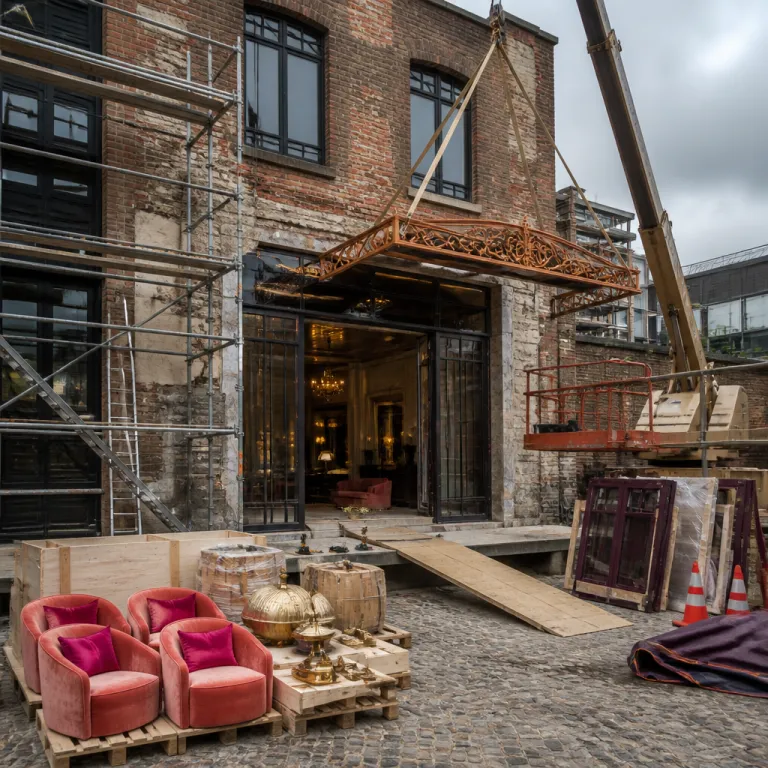
Why adaptive reuse luxury hotels in historic buildings matter for modern travelers
Adaptive reuse luxury hotels in historic buildings have become some of the most interesting openings in high-end hospitality today. Instead of pouring concrete on a blank plot, developers and architects now compete to secure the last great bank, post office or train station and convert that historic building into a hotel that feels both grounded and quietly glamorous. For solo travelers who care about character, sustainability and price, these heritage conversions often deliver more atmosphere and better value than many new glass towers.
At their core, adaptive reuse luxury hotels in historic buildings are about transforming an existing structure into a fully serviced hotel while preserving its architectural soul. A former warehouse becomes a design-forward inn, a decommissioned union station turns into a grand suite hotel, and a convento hotel conversion in Europe keeps cloistered courtyards but adds rain showers and fast Wi‑Fi. This approach to adaptive reuse reduces embodied carbon compared with new construction and aligns with the expectation that sustainable design is now standard rather than a marketing extra.
The numbers back this shift toward adaptive reuse luxury hotels in historic buildings across the United States and beyond. Industry research cited by Hotel Dive notes that roughly 15 percent of recent hotel openings in the Americas now come from adaptive reuse, with those converted hotels created through reuse projects instead of ground-up builds (see Hotel Dive’s analysis of global conversion trends). Another data point, drawn from a 2011 study by architecture firm Perkins Eastman on building reuse and carbon, indicates that reusing a structure can cut lifecycle emissions by roughly 30 percent compared with demolishing and rebuilding (Perkins Eastman, “The Greenest Building: Quantifying the Environmental Value of Building Reuse,” 2011), which turns every carefully restored inn or riverfront conversion into a quiet climate decision as much as a style choice.
How historic hotels in America turn past lives into present day value
Across the United States, Historic Hotels of America has long curated a collection of properties where every corridor tells a story. When a hotel is inducted into this network, it signals that the building carries genuine heritage, not just a few framed black-and-white photos in the lobby. For deal-focused travelers, that “hotel inducted” status can be a useful shorthand for knowing that an adaptive reuse project has been handled with care rather than as a quick cosmetic flip.
Many of the most compelling adaptive reuse luxury hotels in historic buildings sit just beyond the obvious tourist grid, especially in secondary cities where land values once made demolition tempting. That is where you find a former school like Hotel Grinnell in Iowa, a gym turned into a stage for live music and a classroom reborn as a suite-style room with chalkboards intact, or a river inn conversion on the Napa River that pairs industrial beams with soft linens and a calm water view. These hotels America wide often deliver city-center quality rooms at rates 20 to 40 percent lower than comparable new-build resorts in prime districts, especially outside peak season, according to pricing snapshots from regional tourism boards and brand-level revenue reports.
If you are planning a family trip, some of these inducted historic properties also compete directly with contemporary family resorts on amenities while keeping their adaptive character. A restored station or warehouse might now host a kids club in the former ticket hall, while a convento hotel conversion can offer cloistered gardens that feel safe and enclosed for younger guests. For more ideas on where heritage and practicality meet, you can explore our guide to family friendly luxury hotels that deliver on both promises, then cross reference those options with adaptive reuse projects in your chosen region.
From banks to stations to warehouses: the design challenges behind adaptive reuse
Turning a historic building into a hotel is not a simple exercise in décor, and the most successful adaptive reuse luxury hotels in historic buildings are the result of intense collaboration between developers, architects and preservation teams. Ceiling heights, load-bearing walls and window placements were never designed with modern suite hotel layouts or spa circuits in mind, so every corridor and guest room becomes a puzzle. Architects working on these reuse projects rely on advanced design software, sustainable materials and deep historical research to respect original details while meeting today’s safety and comfort standards.
Consider a former union station in America that now operates as a grand inn with an expansive concourse turned into a lobby lounge. The original station clock might still hang above check-in, while the tracks outside have become a landscaped terrace with a view of the skyline and a discreet entrance to fine dining in what used to be the mail room. In a converted warehouse, the challenge is different; huge floorplates and industrial columns can make it hard to carve out intimate rooms, so designers often use double-height spaces for public areas and tuck compact, efficient guest rooms along the perimeter where historic windows bring in light.
Bank towers present another layer of complexity for adaptive reuse luxury hotels in historic buildings, especially in dense downtowns from San Francisco to New Orleans. Vaults become speakeasy-style bars, boardrooms transform into private dining for exclusive events, and former executive floors evolve into top-tier suites with special offers tied to club access. Throughout these transformations, the best projects keep original materials visible, from marble staircases to brass mail chutes, so that guests feel the building’s past life rather than sleeping in a generic box that could be anywhere in the United States.
Where adaptive reuse delivers real value: solo travel, romantic getaways and off season deals
For the solo explorer, adaptive reuse luxury hotels in historic buildings offer something that many large-scale resorts cannot match: a sense of narrative that starts the moment you step through the door. Common areas in a former station, inn or warehouse are often designed as social living rooms, with long communal tables, tucked-away reading corners and bars that feel like neighborhood hangouts rather than anonymous lobbies. That layout naturally encourages conversation, which matters when you are traveling alone and want the option of meeting people without forced activities.
These same adaptive reuse properties can be ideal for a romantic getaway, especially when the building sits in a district of historic places along a riverfront or old town. A river inn on the Napa River, for example, might pair a modest room size with a balcony that frames the water view and a ground-floor fine dining restaurant in the former loading dock, turning the entire building into an intimate date-night setting. In cities like San Francisco, where new-build luxury towers command premium rates, a converted warehouse or convento hotel a few blocks off the main axis can offer special packages that include late checkout, wine tastings and access to nearby cultural sites at a more approachable price point.
Deal hunters should pay close attention to timing when booking adaptive reuse luxury hotels in historic buildings across America. Off-season weeks in secondary locations often unlock special offers that quietly cut rates by a third while keeping the full experience intact, from spa access to breakfast in the old station hall. Look for flexible cancellation policies, check the details of what each package actually offers, and remember that the best value is rarely a promo code but the right week when the building, the city and your own pace align.
Inside the guest experience: what to expect from adaptive reuse luxury stays
Staying in adaptive reuse luxury hotels in historic buildings feels different from walking into a standard chain property, even when the operator is a major brand. A Curio Collection by Hilton conversion inside a former bank or post office, for example, might keep the grand lobby and marble columns while layering in contemporary furniture, subtle lighting and a bar program that nods to the building’s past. Guests still enjoy reliable service standards, but the emotional memory of the stay comes from the way the historic spaces frame each moment, from breakfast under a vaulted ceiling to a nightcap in the old manager’s office.
Room layouts in these adaptive reuse projects can be less predictable than in new-build hotels, which is part of the charm but also something to navigate when booking. Some suites in a converted warehouse or convento hotel may have quirky angles, original beams or steps between sleeping and living areas, while others in a former station or inn might be long and narrow with tall windows and a dramatic city view. Reading the room descriptions carefully, studying floorplans when available and even calling the hotel for details can help you match your preferences with the right category, especially if you care about bathtub versus shower, desk space or proximity to elevators.
Public spaces in adaptive reuse luxury hotels in historic buildings often double as cultural stages, which can be a major advantage for solo travelers and couples alike. A river inn on the Napa River might host local jazz nights in the old warehouse hall, while a hotel inducted into the Historic Hotels of America network could offer guided tours of its own corridors as part of the nightly programming. If you are drawn to nature-focused properties, you can also look at how some adaptive reuse projects integrate greenery and daylight, then compare that approach with the ideas in our feature on biophilic design in hotels to decide which style suits your travel mood.
Planning your stay: how to choose and book adaptive reuse hotels wisely
Choosing among adaptive reuse luxury hotels in historic buildings starts with understanding your own priorities, because not every project balances heritage and comfort in the same way. Some travelers want the full drama of a former station or warehouse, even if that means slightly smaller rooms or unconventional layouts, while others prefer a more polished suite hotel experience inside a building whose historic character is concentrated in the lobby and public spaces. Begin by deciding whether you care more about the story of the building, the level of amenities or the neighborhood, then shortlist three to five properties that align with that mix.
Once you have a shortlist, dig into the details that matter for your specific trip, whether it is a solo city break, a family holiday or a romantic getaway. Check how each hotel describes its adaptive reuse story, look for mentions of inducted historic status or membership in networks like Historic Hotels of America, and pay attention to how recent the last renovation was, because that affects everything from soundproofing to air quality. Reading guest reviews with an eye for patterns rather than one-off complaints will help you understand whether the charm of the building outweighs any quirks, such as slightly uneven floors or occasional street noise in dense urban locations.
When it comes to booking, the smartest deals on adaptive reuse luxury hotels in historic buildings often sit in the intersection between flexible dates and targeted special offers. Many properties in the United States quietly release packages that bundle breakfast, late checkout or credit for fine dining in the hotel restaurant, which can represent better value than a bare room-only rate once you factor in the cost of eating out. Signing up for newsletters, watching midweek availability and being willing to shift your stay by a night or two can unlock those exclusive opportunities without sacrificing the quality of the experience.
Who shapes these transformations and why sustainability is now non negotiable
Behind every one of the adaptive reuse luxury hotels in historic buildings you see on booking platforms sits a small ecosystem of specialists. Developers act as transformers, taking on the financial risk of converting a historic building into a hotel that can compete with new-build resorts on both rate and guest satisfaction. Architects serve as designers, preserving original features while adding modern amenities, and guests themselves become patrons whose feedback and repeat stays determine whether the project truly works.
The broader context for this wave of adaptive reuse is urban renewal and sustainability, especially in dense cities across America where vacant offices, banks and warehouses risk sliding into long-term disuse. Converting these structures into hotels supports cultural tourism, keeps historic places alive and reduces the environmental impact associated with demolition and new construction, which is why preservation societies and local governments increasingly partner with hospitality brands on such reuse projects. As one industry explanation puts it clearly, “a hotel created by converting a historic building into accommodations” is not just a design choice but a strategic response to changing traveler expectations and environmental realities.
For travelers using platforms like stay deals to compare adaptive reuse luxury hotels in historic buildings with conventional options, the sustainability angle can be a useful tiebreaker when prices are similar. Knowing that a project has reused an existing structure, integrated efficient systems and respected local heritage adds a layer of meaning to your stay that goes beyond thread count or pool size. When you choose a river inn on the Napa River, a former station in the heart of San Francisco or a convento hotel in a quiet European quarter, you are not only booking a room; you are helping ensure that the building’s next chapter remains as compelling as its past.
Key figures on adaptive reuse luxury hotels in historic buildings
- A growing share of new hotels worldwide now come from adaptive reuse, with industry analyses indicating that roughly 15 percent of recent openings are created by converting existing buildings rather than constructing from scratch (figure referenced by Hotel Dive in a global context and echoed in regional development reports). This shift reflects both rising land costs in urban centers and traveler demand for more characterful stays.
- Studies comparing adaptive reuse with demolition and new construction suggest that reusing a building can reduce associated carbon emissions by around 30 percent (data cited in Perkins Eastman’s 2011 sustainability research on building reuse, “The Greenest Building”). For environmentally conscious guests, choosing an adaptive reuse property therefore has a measurable impact beyond symbolic gestures like towel reuse programs.
- In many secondary city markets across the United States, adaptive reuse luxury hotels in historic buildings often price their rooms 20 to 40 percent below comparable new-build luxury properties in prime central locations. This price gap is especially visible during shoulder seasons, when occupancy softens and special offers become more generous, according to benchmarking shared in brand earnings calls and destination marketing reports.
- Networks such as Historic Hotels of America have inducted hundreds of properties that meet specific criteria for age, integrity and historical significance. When a hotel is inducted into such a collection, it signals that the adaptive reuse has preserved enough original fabric and narrative to qualify as a genuine heritage stay.
- Guest surveys consistently show increased demand for unique accommodations that feel rooted in place, with travelers under 50 particularly likely to choose adaptive reuse projects over standardized resorts when prices are similar. This preference has encouraged major brands, including collection-style flags within Hilton and other groups, to expand their portfolios of converted banks, stations and warehouses.
FAQ about adaptive reuse luxury hotels in historic buildings
What is an adaptive reuse hotel and how does it differ from a standard property ?
An adaptive reuse hotel is created by converting an existing historic or otherwise significant building into guest accommodations while preserving key architectural features. Unlike standard new-build hotels, these properties must work within existing structures, which leads to more varied room layouts, richer public spaces and a stronger sense of place. Guests typically experience a blend of original materials and contemporary comforts rather than a uniform design template.
Are adaptive reuse luxury hotels in historic buildings more expensive than new builds ?
Prices for adaptive reuse luxury hotels in historic buildings vary widely, and they are not automatically higher than those of new-build competitors. In many secondary locations across the United States, converted banks, warehouses or stations actually offer lower nightly rates than comparable modern towers in prime districts, especially outside peak season. The best way to assess value is to compare what each rate includes, from breakfast and fine dining credits to spa access and late checkout.
Why are adaptive reuse hotels becoming so popular with travelers ?
Adaptive reuse hotels are popular because they combine unique experiences with a more sustainable approach to development. Guests appreciate staying in buildings with stories, whether that means sleeping in a former classroom at Hotel Grinnell, a riverside room in a converted river inn or a vaulted chamber in a convento hotel. At the same time, reusing existing structures reduces construction waste and embodied carbon, which aligns with growing environmental awareness among frequent travelers.
How can I tell if a historic hotel has been converted thoughtfully ?
A thoughtfully executed adaptive reuse project will be transparent about the building’s history, the restoration process and any partnerships with preservation organizations. Signs of quality include membership in networks like Historic Hotels of America, clear explanations of which elements are original and which are new, and guest reviews that praise both atmosphere and comfort. If a hotel has been inducted into a recognized heritage collection, that status usually indicates a higher standard of preservation and storytelling.
What should solo travelers look for when booking adaptive reuse luxury hotels ?
Solo travelers should focus on the design and programming of common areas, because adaptive reuse luxury hotels in historic buildings often shine in their lobbies, bars and lounges. Look for properties that host cultural events, tastings or talks in former station halls, warehouses or riverfront spaces, as these create natural opportunities to meet other guests. It is also worth checking room size, lighting and desk setups in advance, especially if you plan to work during your stay or value quiet corners for reading.