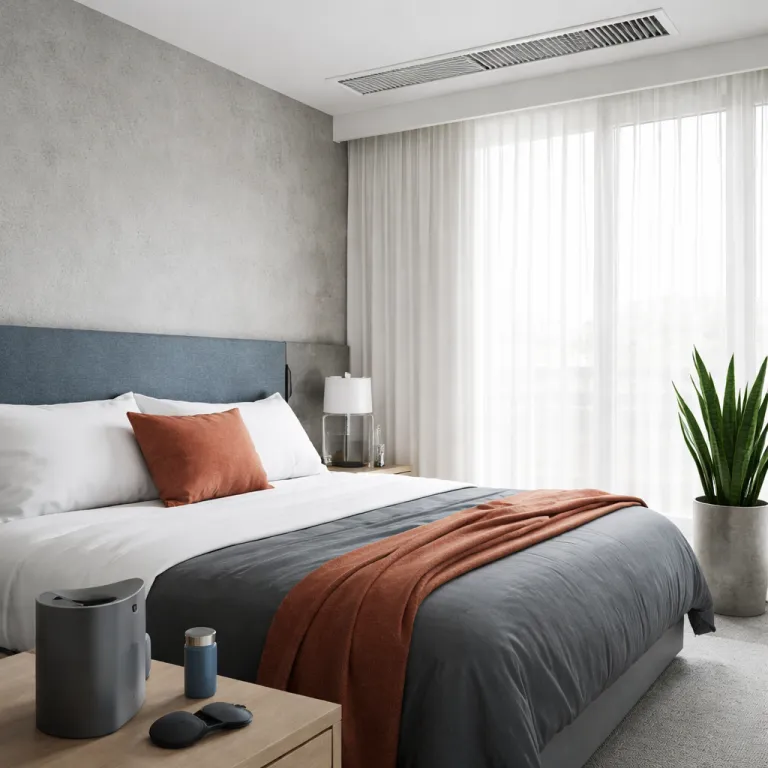
Why sleep quality now defines true wellness in luxury hotels
Sleep has quietly become the most decisive wellness filter for any luxury hotel stay. As wellness travel matures, the smartest hotels treat restorative rest as core infrastructure rather than an optional spa program, building calm into walls, windows, and even air vents. For families planning travel, this shift means that a good night of deep, uninterrupted sleep can finally be expected, not just hoped for, across rooms, suites, and every category of stay.
Industry research from the Global Wellness Institute and STR now shows that around two thirds of travelers rank sleep as their top in-hotel wellness priority.1,2 Analysts tracking global tourism also report that the wellness travel segment is expanding faster than mainstream leisure, driven partly by the rise of sleep tourism and wellness resort concepts that promise a deeper sleep experience than guests achieve at home. This is where sleep-focused hotel design and wellness-oriented room features become a genuine decision-making tool, especially when you book multi-night stays with children who need predictable rest.
Specialist wellness hotels and urban properties with a sleep-focused design are working with sleep experts and sleep technology companies to refine every room. Their methods include high-quality mattresses with clear firmness options (often specifying brands such as Simmons Beautyrest or Serta iComfort), blackout curtains that achieve near total darkness at under 1–5 lux, and soundproofing that keeps noise below typical city levels for quality sleep, often targeting 30–35 dB inside the room at night as measured at the pillow with a basic sound level meter. As sleep consultant Dr. Rebecca Robbins notes, “When hotels engineer quiet, dark, cool rooms as standard, they turn a basic night’s rest into a genuine wellness intervention for guests.”3
Wellness hotel features that genuinely improve family sleep
When you evaluate wellness hotel features for sleep quality, start with the room envelope rather than the spa menu. Ask how the rooms are insulated, whether blackout curtains fully seal the window frame, and if the air conditioning allows quiet, precise control through the night. These structural details matter more to a family than an impressive resort spa that closes before your children finally fall asleep.
Look for hotels and any wellness resort that publish their acoustic and air quality standards, because this signals investment beyond marketing language. Some luxury hotels now install real-time air quality monitors in each room or suite, giving guests clear data on particulate levels and humidity that directly influence night sleep comfort. Strong performers typically aim for PM2.5 levels below 10–15 µg/m³ and relative humidity between 40–60 %, which helps prevent dry air, congestion, and restless sleep. Others integrate circadian lighting programs that shift colour temperature through the evening, moving from cooler 4,000–5,000 K tones to warmer 2,700–3,000 K light, helping guests enjoy a calmer transition into sleep after a long day of travel or tourism.
For spa-led properties, the most advanced resort spa teams coordinate treatments with in-room sleep experience rituals, such as warm baths, aromatherapy, and guided breathing. You can see this in Mediterranean wellness travel destinations, where properties pair hydrotherapy circuits with quiet, tech-free relaxation rooms designed purely for quality sleep preparation. For a deeper look at how coastal properties blend spa and sleep-focused design, explore this guide to hotel spa experiences in Ramatuelle, which highlights how architecture and landscape support wellness.
Where wellness is built into the architecture, not just the spa
Certain flagship properties now define what wellness hotel features for sleep quality look like when they are engineered into the building. In Miami, for example, the Carillon Miami Wellness Resort has become a reference point for sleep tourism, with suites and rooms designed around silence, blackout curtains, and advanced mattress systems. Families who book multi-room configurations there often comment that the wellness program begins the moment the door closes, not only when they enter the spa.
Another benchmark is Equinox Hotel New York, which treats every room as a performance recovery chamber rather than a standard hotel room. Here, sleep-focused design includes sound-insulated walls, total darkness solutions, and temperature controls tuned for deep night sleep, which is especially valuable for jet-lagged wellness travel from Europe or Latin America. Parents report that children settle more quickly when the environment is this controlled, and guests enjoy a more consistent sleep experience across consecutive nights.
Traditional luxury names are adapting too, with Westin resort properties leaning into their long-running Heavenly Bed concept and expanding it into broader sleep tourism offerings. Park Hyatt and selected Hyatt and other premium New York addresses are experimenting with wellness suites that combine spa-grade bathrooms, quiet mechanical systems, and curated pillow menus to protect sleep quality. These hotels and resorts often hold their value even when rates rise, because the structural investment in wellness means the experience remains strong regardless of seasonal staffing or image-driven marketing campaigns.
How to read between the lines of wellness offers and deals
For deal-focused travelers, the key is separating genuine wellness hotel features for sleep quality from decorative wellness offers that add little to your night. When a hotel promotes a wellness package, read beyond the spa access and check whether the rooms or suites in that offer include upgraded mattresses, blackout curtains, and enhanced soundproofing. A lower rate in a noisy street-facing room can undermine the entire stay, even if the resort spa is exceptional.
Families should prioritise hotels and any wellness resort that publish clear information about room categories, especially when booking through a luxury and premium platform such as stay-deals.com. Look for descriptions that mention sleep-focused design, quiet floors, or dedicated wellness rooms, because these usually indicate real investment in quality sleep rather than a temporary program. When you book, ask the reservations team to confirm whether your chosen room or suite is on a calmer side of the building and whether late-night events might affect your sleep experience.
From a value perspective, wellness-integrated hotels often outperform cheaper competitors over the full length of a stay. Structural upgrades to rooms, such as acoustic panels, high STC-rated windows (for example, STC 40–45 for exterior glazing), and advanced climate control, do not fluctuate with staffing levels, so guests enjoy consistent benefits even during busy tourism peaks. For curated examples of spa and wellness travel deals where the experience matches the promise, review our guide to luxury hotel deals with spa and wellness packages, which highlights properties where a good night of sleep is central to the value proposition.
Practical booking checklist for families chasing better sleep
Turning wellness hotel features for sleep quality into a practical checklist helps families make sharper booking decisions. Start with the basics and confirm that every room or suite you consider includes true blackout curtains, a high-quality mattress, and independently controlled air conditioning for each room. Ask whether the hotel can provide humidifiers, white noise machines, or child-friendly bedding, because these small details often decide whether guests enjoy a genuinely good night.
Next, map your wellness travel priorities against the property layout, especially in urban destinations such as Miami or New York. In Miami, for instance, a resort on a quieter stretch of coastline, such as Carillon Miami or a similar wellness resort, will usually offer better night sleep than a party-heavy strip, even if both share the same star rating. In New York, an address like Equinox Hotel, a well-insulated Park Hyatt, or a comparable high-end property with documented soundproofing and wellness suites can transform a potentially noisy city stay into a calm sleep experience for children and adults.
Finally, consider how long you plan to stay and how sensitive your family is to noise and light. For longer trips, paying slightly more for a sleep-focused room or wellness suite often delivers better overall value than chasing the lowest nightly rate. When you factor in rested mornings, smoother days of tourism, and fewer overtired meltdowns, the return on investing in quality sleep becomes obvious for any family planning their next hotel or resort booking.
FAQ
Which amenities most improve hotel sleep quality for families ?
The most effective amenities for hotel sleep quality are high-grade mattresses, blackout curtains that fully block external light, and strong soundproofing between rooms and corridors. Circadian lighting that warms towards evening, combined with quiet, individually controlled air conditioning, also supports deeper night sleep for adults and children. When these features are standard across rooms and suites, guests enjoy more predictable rest throughout their stay.
How do wellness hotels and resorts enhance the overall sleep experience ?
Wellness hotels enhance sleep by integrating sleep-focused design into the building rather than relying only on spa treatments. Many now consult sleep experts and wellness consultants to specify mattresses, acoustic materials, and lighting systems that promote quality sleep for every guest. Some wellness resort properties also offer tailored pre-sleep rituals, such as warm baths, aromatherapy, and relaxation classes, to extend the spa experience into the room.
Why is sleep tourism becoming a trend in luxury travel ?
Sleep tourism is growing because many travelers now sleep worse at home than they do on holiday, due to screens, stress, and urban noise. Luxury hotels and resorts that engineer quiet rooms, blackout solutions, and advanced bedding can offer a level of restorative rest that feels almost therapeutic. For families, this makes a wellness-focused stay particularly attractive, as everyone returns home genuinely refreshed rather than simply entertained.
What should I ask before I book a wellness focused hotel deal ?
Before you book, ask whether the wellness offer includes upgraded rooms or suites with blackout curtains, enhanced soundproofing, and premium mattresses. Clarify the location of your room within the hotel, especially its exposure to nightlife, elevators, or event spaces that could disturb night sleep. It is also worth checking whether the spa and wellness program hours align with your family schedule, so you can actually use the facilities without compromising children’s bedtimes.
Do wellness integrated hotels justify higher nightly rates for families ?
Wellness-integrated hotels often justify higher nightly rates because their structural investments in sleep quality deliver consistent benefits across every stay. Features such as acoustic insulation, air quality monitoring, and advanced bedding systems do not depend on individual staff performance, so guests enjoy reliable comfort even during busy tourism seasons. For families, the value of several consecutive nights of quality sleep usually outweighs the savings from a cheaper but noisier alternative.
References
1. Global Wellness Institute, “Wellness Tourism: Global Market Report.” 2. STR and American Hotel & Lodging Association, “Hotel Industry Trends Report.” 3. Rebecca Robbins, PhD, sleep researcher and co-author of “Sleep for Success!”, quoted in hospitality and wellness media interviews on hotel sleep environments. Room performance targets for dB, lux, PM2.5, humidity, and STC ratings in this article reflect commonly cited thresholds in building performance guidelines and hotel case studies, measured with consumer-grade sound level meters, light meters, and air quality sensors placed at bedside height.