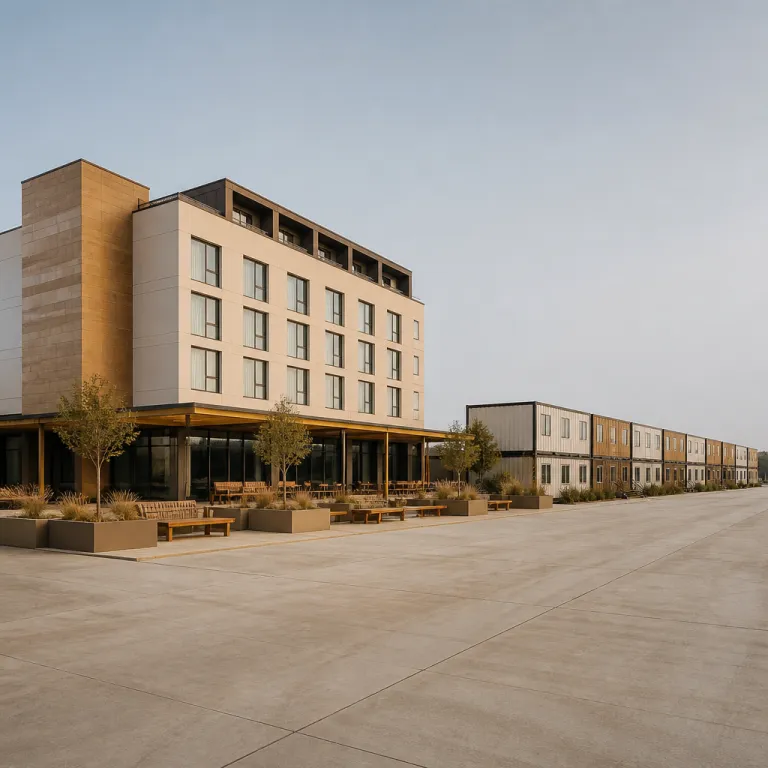
How the world cup hotel boom sets up a quieter golden season
The world cup 2026 hotel legacy travel impact starts with scale. When FIFA and the host cities stretch a tournament across a continent, every host city from Miami to Los Angeles becomes a temporary stage for global hospitality. That scale matters for premium families, because the same stadium, transit and hotel investments that support a packed match schedule in June and July will later soften rates when the crowds have gone.
FIFA has confirmed a 48 team format and 104 matches, and early estimates suggest that well over a million international visitors will push hotel pipelines in every host city into overdrive. The American Hotel & Lodging Association has highlighted that major events can lift local room rates by more than 50% during peak periods. That spike is the visible side of the world cup 2026 hotel legacy travel impact, but the quieter story is the long term need to fill new rooms once the last match leaves the field.
Think of the FIFA world footprint as a chain of upgraded corridors, each anchored by a stadium and an entertainment district. In Miami, the Hard Rock Stadium area and the wider stadium corridor are already seeing new luxury hotel supply and refreshed transit links that will outlive any single match. A family staying in nearby Aventura, for example, will be able to pair a stadium tour with a short rideshare to the beach instead of a long highway slog. In Atlanta, Mercedes-Benz Stadium and the surrounding entertainment district will pull in fresh economic activity, then pivot to families and business travelers once the final round of matches ends.
Host cities such as Houston, Kansas City and San Francisco are not just preparing for a single world cup match day, they are rebalancing entire neighborhoods. Around NRG Stadium in Houston and AT&T Stadium near Dallas, large scale hotel projects are being justified by tournament demand but underwritten by long term economic impact projections. A Houston family weekend that once meant driving in and out of a sea of parking lots is gradually turning into a walkable loop of restaurants, green spaces and mid scale to luxury hotels. For premium families, the world cup 2026 hotel legacy travel impact means more choice, better hardware and, crucially, a window of softer pricing once the initial surge of economic activity normalizes.
Stadium districts, transit upgrades and where families will feel the legacy
The most tangible world cup 2026 hotel legacy travel impact will cluster around stadium and transit nodes. In Miami, the Hard Rock Stadium complex is evolving from a pure sports field into a broader entertainment district with hotels, dining and family friendly spaces. That same pattern is repeating around Mercedes-Benz Stadium in Atlanta, NRG Stadium in Houston and AT&T Stadium in the greater Dallas area, where new rail links and direct highway improvements will quietly benefit off season family travel.
For a premium family, the question is simple yet strategic. Which host city will translate short term FIFA world pressure into long term hospitality gains that actually improve a three night stay with children? Cities investing in walkable links between the stadium, the city center and key transit hubs will feel different in a few years, because the world cup 2026 hotel legacy travel impact will be measured in stroller friendly pavements and shorter transfers, not just in match day noise.
Atlanta and Houston are instructive. Around Mercedes-Benz Stadium and NRG Stadium, planners are knitting hotels into mixed use projects where an entertainment district sits beside residential towers, parks and retail. A parent pushing a stroller from a downtown Atlanta hotel to Centennial Olympic Park will notice smoother sidewalks, clearer wayfinding and more cafés with outdoor seating than before the tournament build up. That means a family arriving long after the last world cup matches will still step into a lively world of cafés, playgrounds and safe evening walks, rather than a deserted field of parking lots.
Los Angeles and San Francisco will see a subtler shift, because their hotel markets already run hot and are more supply constrained. The world cup 2026 hotel legacy travel impact there will lean toward upgraded inventory and refreshed public transit rather than a flood of new rooms, which keeps long term rate corrections modest. In Los Angeles, for instance, families basing themselves downtown will benefit from improved rail links to the stadium and to beach neighborhoods without needing a rental car. If you are weighing a stadium focused trip against a rail based journey through Japan, it is worth reading our guide to luxury hotels where currency shifts unlock exceptional value, then comparing how each world city converts major event spending into everyday comfort.
Where oversupply becomes opportunity: reading the post tournament rate curve
Every mega event leaves a rate story behind, and the world cup 2026 hotel legacy travel impact will be no exception. London after the Olympics and Doha after Qatar’s tournament both saw a six to twelve month period where new hotel supply outpaced post event demand. Families who timed their travel for that window enjoyed five star stays at four star prices, while the world moved on to the next cup and the next stadium.
North America’s host cities fall into two clear camps. Markets such as Houston, Dallas near AT&T Stadium and Kansas City are building aggressively around stadium and transit corridors, which raises the risk of structural oversupply once the FIFA world spotlight moves on. In those cities, the world cup 2026 hotel legacy travel impact is likely to include a noticeable dip in average daily rates as hotels compete for long term guests beyond the matches.
By contrast, Miami, Los Angeles and San Francisco already operate with tight luxury inventory, especially close to the city center and the main entertainment district zones. There, the world cup 2026 hotel legacy travel impact will be more about refreshed properties and improved access to Hard Rock Stadium, with only a modest correction in pricing after June and July. A Miami family that once had to book far in advance for a long weekend near the beach and stadium may find a slightly wider choice of suites and connecting rooms, but not a dramatic price collapse. Families should expect fewer spectacular bargains but a higher baseline of hospitality quality, particularly in well located hotel options that balance beach, culture and match access.
Historical data supports this pattern. Industry research consistently notes that “host cities anticipate significant tourism-driven revenue boosts.” Yet once the last world cup match is played and the field is cleared, that economic activity must be sustained by business travel, meetings and premium leisure, not just fans. For a deeper dive into how tournament demand can create unexpected value pockets, our analysis of the hotel rate paradox around major football events explains why some luxury hotels quietly discount when the world’s attention shifts elsewhere.
How premium families can lock in the legacy, not the surge
Planning around the world cup 2026 hotel legacy travel impact means thinking beyond the final whistle. For premium families, the smartest move is often to avoid the June and July peak and instead target the shoulder months when new hotels in Houston, Atlanta, Miami and Kansas City will still be hungry for occupancy. Those same properties that were fully booked for every match will, within months, be competing for your long weekend.
Start by mapping your wish list against the host cities and their stadium anchors. If your children want the energy of a FIFA world venue without the crush, look at trips timed for the first autumn after the tournament, when AT&T Stadium, NRG Stadium and Mercedes-Benz Stadium tours will still feel current but room rates will have eased. The world cup 2026 hotel legacy travel impact in oversupplied markets should translate into value laden packages that bundle suites, breakfast and late checkout at prices that would have been unthinkable during the group round.
Use direct booking channels with flexible terms to secure cancellable rates now, especially in new or recently renovated hotel options near Hard Rock Stadium and along the wider Miami stadium corridor. Many properties in these host cities will quietly release early bird offers once construction is complete but before the full wave of post event demand is understood. A Kansas City hotel, for instance, might trial family weekend packages with stadium shuttle service and museum tickets to test pricing before business travel fully returns. That is where a site like stay-deals.com, which filters for genuine value rather than headline discounts, becomes a practical tool for families balancing budget with comfort.
Finally, remember that the world cup 2026 hotel legacy travel impact is not just about price, it is about how a city feels once the cameras leave. Improved transit links between the airport, the city center and the stadium district will shorten transfers with children and open up neighborhoods that once felt peripheral. Families who read the long term economic impact correctly will be the ones swimming in rooftop pools and walking to dinner through lively entertainment districts, long after the last world cup trophy lift has faded from the news cycle.
FAQ
How will the World Cup affect hotel prices during the tournament ?
Hotel prices in host cities are expected to rise sharply while matches are being played. Industry commentary suggests that room rates around major sporting events can jump by more than half compared with normal periods. Families who are flexible on dates will usually find better value by avoiding the peak June and July period and looking at the months immediately after the event.
What is the expected economic impact on host cities and their hotels ?
The tournament is designed to boost tourism, fill stadiums and generate new economic activity around entertainment districts. As many studies note, “host cities anticipate significant tourism-driven revenue boosts.” For hotels, that means a short term surge in occupancy followed by a period where new rooms must be filled with business and leisure guests, which can create attractive deals.
Which host cities are likely to offer the best post tournament luxury deals ?
Cities with more new hotel supply relative to regular demand, such as Houston near NRG Stadium, Dallas around AT&T Stadium and Kansas City, are most likely to see softer rates after the world cup ends. Supply constrained markets like San Francisco, Los Angeles and Miami may still offer some value, but the corrections are usually smaller. Families seeking the strongest world cup 2026 hotel legacy travel impact on pricing should watch oversupplied markets first.
When should families book to benefit from the world cup hotel legacy rather than peak pricing ?
The most promising window typically opens a few months after the final match, once the initial fan wave has passed and hotels refocus on long term guests. For this tournament, that suggests looking at the first autumn season after June and July in cities such as Atlanta, Houston, Miami and Kansas City. Booking early with flexible, direct rates allows families to capture any post event softening while keeping options open.
How many matches will be played and why does that matter for travelers ?
The expanded format will feature 104 matches spread across multiple host cities in the USA, Canada and Mexico. A higher match count means more nights of peak demand, which encourages additional hotel construction and renovation around each stadium. Once those matches are over, the extra capacity becomes part of the world cup 2026 hotel legacy travel impact, often translating into more choice and occasional value for future visitors.