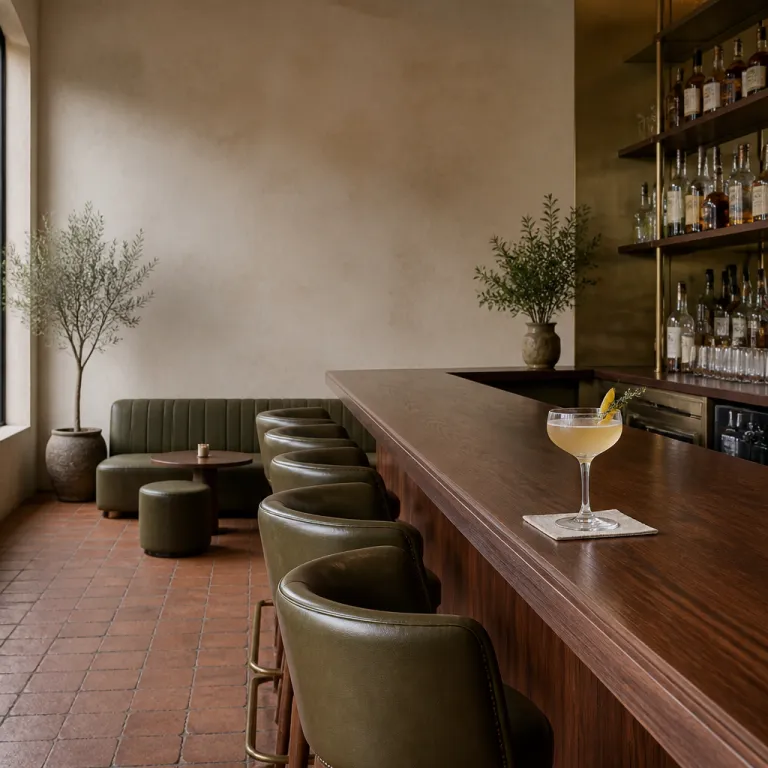
Why luxury hotel bars now define overall quality
The fastest way to judge a luxury hotel today is to walk straight to its bar and sit down. When a property treats cocktail culture as a core experience rather than a side activity, you feel that intent in every room and every corridor. In the new era of elevated luxury hotel bar standards, the best properties understand that a serious cocktail program is a promise that the rest of the stay will match.
This shift did not happen by accident; it followed a long period when many hotel bars coasted on nostalgia and weak drinks, before global operators realised they were leaving both guest satisfaction and revenue on the table. Marriott International, for example, launched its BarArts initiative and a parallel Cocktail Culture program at Renaissance Hotels in the early 2010s to standardise recipes, train bartenders and put handcrafted cocktails back at the centre of the guest experience. In internal case studies shared at industry conferences, Marriott has pointed to higher bar revenue and improved guest-satisfaction scores in properties that fully adopted these standards. That kind of structured investment in cocktails, menu development and bar design has quietly become a reliable proxy for how a hotel treats every other detail.
For travellers comparing properties on a booking website, this is powerful information. A hotel bar that publishes a thoughtful cocktail menu, highlights regional spirits and keeps the lobby bar or rooftop bar buzzing late into the evening usually belongs to a luxury hotel that also cares about linen quality, pool maintenance and room acoustics. When you see a carousel bar with live jazz, a pool bar with fresh juice and a bar lounge that attracts a steady mix of neighbourhood regulars and in-house guests, you are looking at a property where the public space is curated as carefully as the suites upstairs.
How to read a hotel bar as a quality guide
When you scroll through a travel guide or a booking platform, train yourself to read the bar section as closely as the room descriptions. A serious property will treat its hotel bar as a headline feature, not an afterthought buried under spa details and hotel pool dimensions. In an age when discerning guests judge luxury hotels by their cocktail quality and bar culture, the way a property talks about its drinks program is often more revealing than the number of stars beside its name.
Look for specific signals rather than vague adjectives; a strong hotel will name its head bartender, reference a curated cocktail list, mention local ingredients and describe the bar design in concrete terms. When a Four Seasons hotel or a Waldorf Astoria property highlights a lobby bar with an Art Deco–inspired space, a rooftop bar with panoramic city views or a pool bar with a dedicated food menu, you can assume the same design discipline runs through the rest of the building. Articles that focus on when the restaurant sells the room, where dining is the destination, often show how the bar and kitchen collaborate to create a coherent gourmet experience for hotel guests.
Pay attention to opening hours and programming as well. A bar lounge that closes early or offers only generic cocktails signals a hotel that is ticking boxes rather than building culture, while extended hours, live jazz sets and seasonal cocktail menus suggest a team committed to hospitality. When you see multiple hotel bars within one property, from a quiet lounge near the lobby to a louder rooftop bar above the city, you are usually looking at a luxury hotel that understands how different guests use space across the day.
The lobby bar and lounge as the new social heart
Walk into a serious luxury hotel now and the first thing you notice is often the lobby bar rather than the front desk. The old model of a silent lobby with a forgotten corner bar has given way to a central lounge where hotel guests and locals share the same tables, stools and sofas. This is where contemporary luxury hotel bar culture becomes visible, because the lobby bar is the one space that must work for every type of traveller.
In properties from New York City to Los Angeles, the lobby bar has become a calibrated social engine; it is designed to feel open enough for casual meetings yet intimate enough for solo travellers to feel comfortable at the counter. At hotels like The NoMad in New York or the Beverly Wilshire in Beverly Hills, layered lighting, acoustic control and thoughtful bar design create a space where a guest can work quietly by day, then slide into a seat at the bar for cocktails and conversation at night. The best hotel teams understand that this transition from daytime lounge to evening bar lounge is where loyalty is built and where repeat revenue is generated.
For the solo explorer, this evolution is a gift. A well run lobby bar turns a standard room booking into a social stay, offering a safe, elegant environment to meet people, chat with bartenders and taste the city through its spirits. In one Forbes Travel Guide–style review of a Manhattan property, for example, the writer singles out a head bartender who remembers returning guests by name and serves a signature rye-and-vermouth cocktail finished with local honey and orange oil; that kind of specific praise for the lobby bar is a strong indicator that the rest of the hotel, from the pool to the in-room dining, has been designed with the same level of care.
Rooftop bars, pool bars and the power of place
Some of the most telling hotel spaces sit above or beside the water rather than in the lobby. A rooftop bar or pool bar is where a property must balance view, comfort and service while still delivering serious cocktails, not just colourful drinks in plastic cups. In the world of modern luxury hotel bar design, these elevated or poolside venues are no longer optional extras; they are core expressions of how a hotel understands its city and climate.
Consider how a hotel pool area is arranged; when the bar is integrated into the design with proper shade, comfortable seating and a clear connection to the main lounge, the whole space feels intentional. A pool bar that offers a concise but thoughtful cocktail menu, chilled glassware and light dishes served with courtesy at the table tells you that the same attention will be paid to breakfast service and late night room dining. In contrast, a neglected hotel pool with a token bar counter often mirrors a property where the rooms feel tired and the public areas lack energy.
Rooftop bars reveal even more about a hotel’s ambition. In dense city centres, from Midtown Manhattan skylines to downtown Los Angeles, a rooftop bar that attracts residents for sunset cocktails and live jazz is a strong indicator that the hotel has become part of the neighbourhood’s social fabric. When you see this kind of bar featured in a curated travel guide or on a site like stay-deals.com alongside hotels with personalised concierge itineraries, you are usually looking at a property where the view, the drink and the overall guest journey have been designed as one coherent experience.
Using cocktail culture to choose genuine value deals
For deal focused travellers, the most useful question is simple: how can you use bar information to separate a genuinely strong luxury hotel from a discounted but mediocre one? The answer lies in reading cocktail culture as a quality filter, especially when comparing similar room rates across different hotels in the same city. In practice, a property that invests in serious bars almost always delivers better value, even when the nightly rate is slightly higher.
Start by scanning photos and descriptions of every hotel bar on the property, from the main lounge to any rooftop bar or pool bar, and note whether residents appear in the images or only hotel guests. A bar that clearly attracts a mixed crowd usually indicates a hotel embedded in its neighbourhood, which tends to mean better recommendations, more authentic menus and a stronger concierge network. When evaluating deals on stay-deals.com, prioritise offers where the bar lounge, hotel pool area and lobby bar receive as much descriptive attention as the rooms and spa.
Industry programs also matter. Marriott International’s BarArts initiative, developed with mixology consultants like Dale DeGroff and design specialists such as Gorgeous Group, shows how global operators now treat cocktail culture as a strategic lever for guest satisfaction and revenue. As their own training materials and conference presentations explain, questions such as “What is the BarArts program?”, “Who developed the Cocktail Culture program?” and “Why focus on hotel bar cocktails?” anchor a broader movement to standardise quality through fresh ingredients, training and online certification. When you see a hotel referencing similar education, sustainable practices or partnerships with recognised bar experts, you can be confident that the same operational discipline runs through housekeeping, front office and every other guest touchpoint.
FAQ
How can I tell if a hotel bar is serious about cocktails before booking?
Check whether the hotel publishes a detailed cocktail menu, names its head bartender and highlights fresh or local ingredients rather than generic spirits. Photos of a busy lobby bar, rooftop bar or bar lounge with both neighbourhood guests and travellers are another strong signal. Reviews that praise specific cocktails, attentive courtesy at the table and well considered bar design usually indicate a serious program.
Why do strong hotel bars usually mean better overall hotel quality?
A high performing hotel bar requires training, consistent recipes, investment in design and careful staffing, which are the same disciplines that keep rooms, restaurants and the hotel pool running smoothly. Properties that commit to handcrafted cocktails and thoughtful spaces tend to apply the same standards to bedding, soundproofing and service culture. In practice, this means a better stay even if you never order a drink.
What is the BarArts program and why does it matter for travellers?
BarArts is a Marriott International initiative created to raise the quality of hotel bars across its portfolio through standardised recipes, bartender training and online certification. It was launched alongside the Cocktail Culture program at Renaissance Hotels, developed with specialists such as Gorgeous Group and Dale DeGroff. For travellers, a hotel participating in such programs is more likely to deliver consistent cocktails and a polished bar experience.
How should solo travellers use hotel bars to enhance their stay?
Solo travellers can treat the bar counter as a social anchor, choosing hotels where the lobby bar or rooftop bar is clearly positioned as a gathering place. Sitting at the bar rather than at a separate table makes it easier to talk with bartenders and other guests. This turns a simple room booking into a richer experience, especially in large cities where the hotel bar can act as a safe, curated introduction to the local scene.
Are rooftop bars and pool bars always worth paying extra for?
Rooftop bars and pool bars add value when they combine strong cocktails, comfortable seating and a clear sense of place, such as skyline views or a well designed hotel pool deck. If these spaces appear empty, poorly furnished or focused only on sugary drinks, they may not justify a higher rate. When they attract residents, host live jazz or seasonal events and show up in respected travel guides, they usually signal a hotel where the overall experience matches the price.