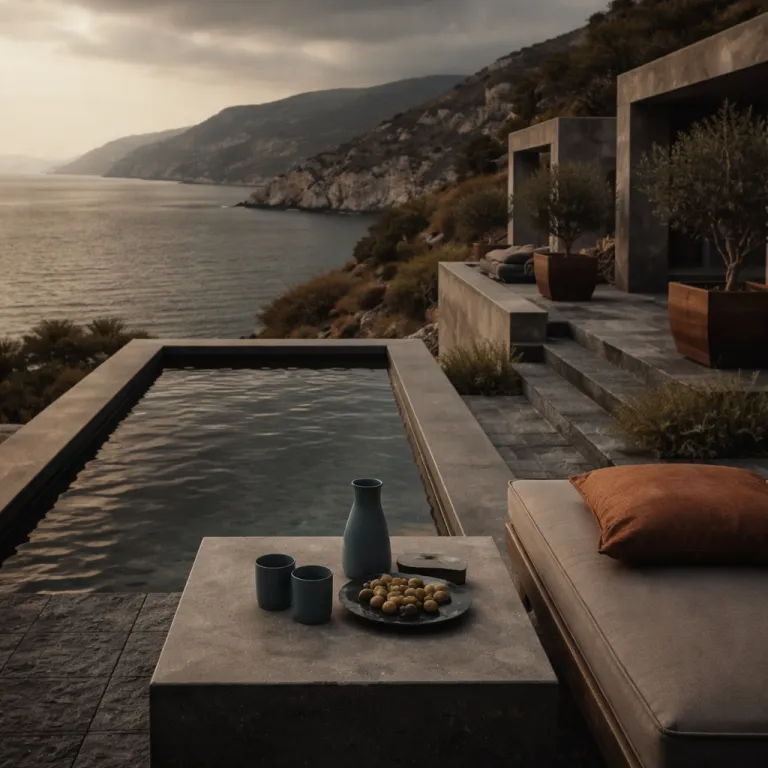
Why luxury hotels in Greece’s islands now reward the value hunter
Luxury hotels on Greece’s islands have quietly become one of the smartest moves for independent travelers. When headline rates in Mykonos, Greece, climb above 700 dollars per night for a standard double in late July, the same level of comfort on another Greek island often costs 30 to 50 percent less, based on recent summer pricing from major booking platforms such as Booking.com and Expedia. Using flexible-date tools, filtering for five-star or boutique properties and comparing refundable rates on identical dates makes it possible to secure a stay that feels indulgent yet rational.
The main shift is geographic; the best value has moved away from the famous pairing of Santorini and Mykonos and toward lesser-known Greek islands such as Paros, Milos, Naxos, Crete and Rhodes. These destinations still offer beautiful beaches, refined hotels and a strong restaurant culture, but the pricing of many properties reflects local rather than global hype. For solo travelers planning a longer trip, that difference in nightly rate across several hotels quickly becomes the difference between a rushed long weekend and a relaxed two-week stay, especially when you track average nightly costs in a simple spreadsheet.
Think of luxury travel in Greece as a spectrum rather than a single destination. At one end sit the iconic hotels in Mykonos and the cliffside suites of Santorini, where the view is priced as aggressively as the champagne. At the other end, you find design-forward retreats on quieter islands where private pools, attentive service and serious food are standard, yet the bill feels almost modest compared with the Greek capital or the most famous islands. The value hunter’s task is to read rate calendars, compare room categories and choose the point on that spectrum where experience and price align.
Paros: adults only elegance and design forward value
Paros has become a favourite among travelers who want the energy of Mykonos Town without the full Mykonos price tag. New adults-only openings such as Luura Cliff (a design-led property previewed in recent industry announcements) show how hotels on this island can deliver private pools, sea views and polished service while still undercutting the best hotels in Mykonos, Greece, by a wide margin. One recent guest review on a major online travel agency described a June stay as “Mykonos-level cocktails and service, but with quieter streets and a bill that did not make me wince at checkout.” For solo travelers, the compact harbour towns and walkable lanes make every evening feel like a curated bar and restaurant crawl.
Rates at many luxury hotels in Paros sit comfortably below the top-tier hotels in Mykonos, especially in June and September when the weather is ideal yet crowds are thinner. For example, a design suite with plunge pool in early June 2025 might price around 420 dollars per night in Paros versus 750 dollars or more for a comparable room in Mykonos Town on the same dates, based on publicly listed flexible rates on Booking.com for a three-night midweek stay. This is where the logic of luxury hotels on Greece’s islands in 2026 really plays out; you trade a little name recognition for more space, quieter beaches and a better ratio between rate and experience. If you are comparing hotel options across several islands, Paros often emerges as the best Greek compromise between scene and serenity.
Paros also appeals to travelers who care about sustainability and thoughtful architecture. Properties here increasingly echo the eco-minded approach of Gundari Hotel in Folegandros, which is described in its own materials as featuring eco-friendly bioclimatic architecture and low-impact design; other hotels may have more modest but still meaningful sustainable practices. If you are interested in refined, responsible stays beyond Europe, you might also appreciate curated guides to leading eco friendly hotels for a refined sustainable stay, which follow a similar value-first philosophy and highlight concrete measures rather than vague green promises.
Milos and Naxos: volcanic drama and emerging luxury scenes
Milos has moved from insider tip to essential Greek island for travelers who care about geology, light and water. The island’s volcanic coastline creates some of the most beautiful beaches in Greece, with white rock coves and turquoise inlets that feel almost cinematic. When you pair those beaches with a thoughtfully run luxury hotel, the experience rivals the best hotels in Santorini and Mykonos at a noticeably lower nightly rate, particularly when you compare like-for-like suites with sea views across the same week.
The accommodation scene on Milos leans toward intimate design hotels and villas with private pools, often perched above quiet bays rather than crowded strips of beach. For a solo travel itinerary, that means you can stay close to the sea yet still walk into town for dinner, which keeps logistics simple and your trip pleasantly unstructured. A typical day might start with an early swim at Sarakiniko before the boats arrive, continue with a long lunch in Pollonia and end with sunset on your terrace. Many travelers now read reviews of both Milos and Naxos before they start planning, then split their stay between the two islands to balance seclusion and variety without inflating transfer times.
Naxos, the largest of the Cycladic Greek islands, offers a different kind of value. Here, luxury hotels sit alongside family-run properties, and the long sandy beach near the main town gives you space even in high season. Entry-level suites with sea views in late September can run 250 to 350 dollars per night, compared with significantly higher figures on the caldera side of Santorini for the same week when checked on major booking engines using identical dates and occupancy. If you enjoy pairing island stays with inland escapes, consider how this philosophy mirrors lakefront retreats such as carefully chosen Taupo stays with panoramic views and refined comfort, where the focus is again on landscape, calm water and a hotel that frames the view rather than competes with it.
Crete and Rhodes: grand scale, south coast hideaways and new openings
Crete, Greece, operates on a different scale from the smaller islands, which is precisely why it rewards the independent traveler. The island’s south coast hideaways sit far from the busier north shore resorts, offering a style of luxury where the beach feels almost private and the mountains rise directly behind the hotel. For solo guests, this combination of wild landscape and polished service creates a stay that feels both grounded and indulgent, especially when you choose properties with fewer rooms and strong local partnerships.
Luxury hotels on Crete increasingly focus on low-slung architecture, generous suites and private pools, often with direct access to the sea. When you compare these properties with a similar level of hotel in Mykonos Town or the caldera side of Santorini, the rate difference can be striking, especially outside peak August. In early October 2025, for instance, a beachfront suite with pool on Crete might list around 380 dollars per night on a flexible rate, while a smaller room in a comparable Mykonos property can still exceed 600 dollars for the same dates on the same booking platform. Many travelers now treat Crete as the anchor of their trip, then add a smaller Greek island such as Paros or Milos for contrast, using ferries or short flights to keep travel time manageable.
Rhodes, meanwhile, is entering a new chapter with openings such as The Landmark, reported in hospitality trade press as scheduled to welcome guests from May in the heart of the island’s historic fabric. This kind of property shows how luxury in Greece is evolving beyond the classic sun-and-beach formula, blending heritage architecture with contemporary comfort. When you read early previews and compare them with long-established icons like Poseidonion Grand Hotel in Spetses or Danai Beach Resort & Villas in Halkidiki, you see a clear pattern; the best hotels in Greece now compete on character and context as much as on thread count, and that shift benefits travelers who look beyond the most obvious names.
Athens and Folegandros: pairing the Greek capital with remote eco luxury
Any serious itinerary for luxury hotels on Greece’s islands in 2026 should begin or end in Athens, Greece. The capital has transformed its hotel scene, with new design properties and renovated grande dames offering rooftop pools, Acropolis views and polished service that rivals many island resorts. For solo travelers, a two-night stay in a central hotel before or after the islands allows you to adjust to the time zone, explore neighbourhoods on foot and enjoy the city’s late-night restaurant culture without rushing.
From Athens, it is easy to connect to more remote Greek islands where the value equation tilts even further in your favour. Folegandros, for example, hosts Gundari Hotel, a luxury property with just twenty-five suites, many with private pools and a strong eco-conscious design ethos. As of late 2024, the hotel’s own descriptions and third-party previews highlight bioclimatic architecture, careful water use and low-impact materials. When you compare its rates with a similar level of hotel in Santorini or Mykonos on the same booking engines and dates, you often find that the quieter island offers more space, more privacy and a calmer overall atmosphere for a lower overall trip cost.
This pairing of Greek capital and remote island also suits the solo explorer who likes contrast. You might spend your first nights in Athens visiting galleries and rooftop bars, then shift to a clifftop hotel on Folegandros where the main soundtrack is wind and waves. One frequent visitor describes the combination as “two trips in one: a city break wrapped around a retreat.” If you enjoy this kind of contrast-driven planning, you may also appreciate how stay-deals.com approaches urban escapes in guides such as its feature on where to stay in San Francisco for a memorable city escape, which applies the same value-sharp lens to another iconic destination and encourages readers to weigh neighbourhood character against nightly rate.
How to time and structure your Greek island luxury trip for maximum value
Timing is the single most powerful lever when booking luxury hotels in Greece. Shoulder season, especially June and September, usually brings warm seas, long days and significantly lower rates than the peak of July and August. For solo travelers, those months also mean easier restaurant reservations, more relaxed service and beaches that feel closer to private without paying for exclusivity, particularly on islands that see fewer cruise ship arrivals.
When you start planning, think in terms of clusters rather than isolated islands. One effective structure is to pair a night or two in the Greek capital with two islands that complement each other, such as Paros and Naxos or Milos and Crete, Greece. This approach lets you read the rhythm of each destination, compare hotel options in real time and adjust your stay length according to how each place feels once you arrive. Keeping a simple record of nightly rates, ferry costs and transfer times helps you see where an extra night delivers the best overall value.
It also pays to look beyond the most obvious “best hotels” lists and dig into how each property actually operates across the season. A hotel that feels crowded and overpriced in August can feel like a private retreat in late September, when the same staff-to-guest ratio suddenly works in your favour. For many travelers, the real luxury Greece offers is not just a room with a view, but the freedom to explore multiple islands at a thoughtful pace, using ferries and short flights to stitch together a trip that feels both coherent and spontaneous while keeping the overall budget under control.
Key figures that shape luxury hotel choices in Greece
- The Greek National Tourism Organization (GNTO) reports that Greece has roughly 6,000 islands and islets, of which around 200 are inhabited, which explains why value seekers can still find under-the-radar island destinations beyond Santorini and Mykonos; these figures are drawn from GNTO overview statistics published in recent tourism reports.
- According to the same organization, Greece welcomes close to 30 million tourists per year, a volume that concentrates heavily on a few famous islands and leaves many others with lower hotel pressure and more competitive luxury rates, especially outside the absolute peak weeks of August.
- Industry pricing data from major booking engines such as Booking.com, Expedia and Hotels.com indicates that luxury hotels on lesser-known islands such as Paros, Naxos, Milos, Crete and Rhodes often cost 30 to 50 percent less than comparable hotels in Mykonos Town or caldera-view properties in Santorini during the same weeks, when you compare flexible rates for similar room categories and occupancy.
- Shoulder season months such as June and September typically see average daily rates for luxury hotels in Greece drop by 20 to 35 percent compared with peak August, while sea temperatures and beach conditions remain attractive for swimming; this pattern appears consistently in historical rate calendars on major online travel agencies.
- Properties like Gundari Hotel in Folegandros, Poseidonion Grand Hotel in Spetses and Danai Beach Resort & Villas in Halkidiki illustrate a broader trend toward high-end, design-driven hotels in secondary destinations, a segment that has grown steadily in recent years according to regional development reports and investment summaries from Greek hospitality analysts.
FAQ: planning a luxury hotel stay on the Greek islands
What are some luxury hotels in Greece beyond Santorini and Mykonos?
Notable examples include Gundari Hotel on Folegandros, Poseidonion Grand Hotel on Spetses and Danai Beach Resort & Villas in Sithonia, Halkidiki. These hotels sit in destinations that receive fewer visitors than Santorini and Mykonos yet still offer high service standards, refined design and access to beautiful beaches. For many travelers, they represent the best balance between luxury and value in Greece, especially when booked in shoulder season.
When is the best time to visit luxury hotels on the Greek islands?
Shoulder seasons such as May to June and September to October usually offer the best combination of pleasant weather, warm seas and more accessible rates. During these months, luxury hotels in Greece often reduce prices compared with peak summer, while restaurants and local services remain fully operational. Solo travelers also appreciate the calmer atmosphere on the beach and in town, along with easier last-minute room upgrades.
How much cheaper are lesser known Greek islands compared with Mykonos or Santorini?
For equivalent quality, luxury hotels on islands such as Paros, Naxos, Milos, Crete and Rhodes typically price 30 to 50 percent lower than similar hotels in Mykonos Town or caldera-view properties in Santorini. The exact difference depends on the specific hotel, room type and travel dates. Over a week or longer trip, that gap can translate into either substantial savings or the ability to upgrade to a higher room category with private pools or better views, as long as you compare rates on the same booking platform and use identical filters.
Are eco friendly luxury hotels common on the Greek islands?
Interest in eco-conscious luxury has grown steadily across Greece, especially on islands where landscape and sea are the main attractions. Gundari Hotel on Folegandros, for example, is known for its bioclimatic architecture and low-impact design, and other properties are adopting similar practices. Travelers who prioritise sustainability should read hotel descriptions carefully, look for independent certifications where available and focus on concrete measures rather than vague green language.
Is it easy for solo travelers to move between different Greek islands?
Ferry networks between the main islands are extensive during the warmer months, and short domestic flights connect Athens, Greece, with larger islands such as Crete, Rhodes and Paros. For a solo trip, it is usually straightforward to combine two or three islands plus a short stay in the capital, provided you book key ferry legs in advance during busy weeks. This flexibility is one of the reasons luxury travel in Greece works so well for independent travelers who like to adjust their plans as they go while still keeping an eye on overall trip costs.