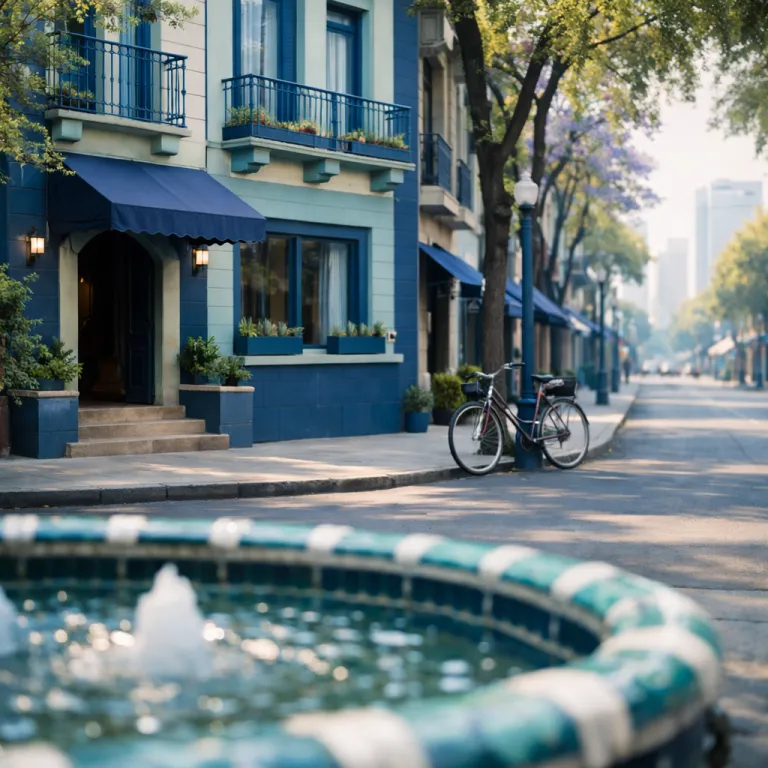
Understanding the best neighborhoods in Mexico City for every style of stay
Mexico City is a layered city where each neighborhood offers a distinct rhythm. Travelers who want the best balance between culture, safety, and comfort often focus on a shortlist of the best neighborhoods in Mexico City, then refine their choice by hotel style and budget. When you read a detailed guide México carefully, you quickly see how streets, plazas, and parks shape the character of each area.
For many visitors, Roma and Condesa feel like the natural starting point, because these city neighborhoods combine leafy avenues, cafés, and a sophisticated food scene. The twin area often called Roma Condesa includes Roma Norte on one side and Condesa on the other, and both neighborhoods México options range from mid range design hotels to discreet properties ideal for a luxury stay. This part of CDMX is also among the safest neighborhoods for walking at night, especially along well lit streets lined with restaurants and wine bars.
Polanco sits further north and represents another vision of the best neighborhoods in Mexico City, with polished avenues, embassies, and high end shopping. Here, a luxury stay feels effortless, as many hotel brands cluster near parks and museums, and guests can walk to fine dining or take short rides to Bellas Artes and other landmarks in the wider city. If you prefer a quieter neighbourhood feel without losing urban convenience, consider Coyoacán or San Ángel, where colonial houses, plazas, and traditional markets create a slower pace within sprawling Mexico City.
Roma, Condesa, and Juárez: creative hearts of CDMX with style and safety
Roma Norte has become a reference point for travelers comparing the best neighborhoods in Mexico City, especially those who value gastronomy and design. Along its streets, you will find inventive food concepts, coffee bars, and mid range hotels that still feel intimate, making Roma ideal for guests who want to stay central without sacrificing character. Many city read guides highlight Roma as a place where you can walk for hours, pause in pocket parks, and experience Mexico through its evolving culinary scene.
Condesa, just next door, offers a greener neighbourhood profile, with tree lined avenues and elegant residential buildings. This neighborhood in CDMX is particularly appealing for a luxury stay that remains relaxed, as you can jog in the park in the morning, enjoy food focused evenings, and still reach Centro Histórico or Polanco quickly by car. Together, Roma Condesa form one of the safest neighborhoods clusters in the city, especially around main avenues where both locals and visitors stroll late into the evening.
Juárez, bordering Zona Rosa, has shifted from office district to creative hub, and many travelers now rate it among the best neighborhoods in Mexico City for nightlife. Here you can stay in stylish hotel options, walk to bars and galleries, and still reach Roma, Condesa, or Centro within minutes, which makes it practical for short trips. When you read story style travel features about CDMX, Juárez often appears as the place where classic architecture meets contemporary energy, while nearby Zona Rosa remains known for LGBTQ+ nightlife and a dense mix of restaurants.
Centro Histórico and cultural corridors: where history shapes your luxury stay
Centro Histórico is the symbolic heart of Mexico City, and many travelers feel that no guide México is complete without at least one night here. Around the vast main square and surrounding streets, you will find historic hotel buildings, rooftop terraces, and easy access to landmarks such as Palacio de Bellas Artes and the archaeological site of Templo Mayor. For culture focused visitors, this neighborhood offers one of the best neighborhoods in Mexico City experiences, because you can walk between museums, churches, and markets in a single afternoon.
When evaluating neighborhoods México for a first trip, some guests worry about safety in Centro Histórico at night. The reality is nuanced ; main arteries near Bellas Artes, the pedestrian corridors, and areas close to major hotels are usually busy and well policed, while quieter backstreets require the same caution you would apply in any large city. If you prefer to stay elsewhere, plan at least a full day here to visit Diego Rivera murals, explore the cathedral, and enjoy traditional food in long established restaurants.
Just west of the core, city neighborhoods like the business oriented Santa Fe and the more traditional Tlalpan show how diverse CDMX can be. Santa Fe suits travelers who prioritize modern towers, malls, and international hotel brands, while Tlalpan appeals to those who want markets, plazas, and a slower pace within Mexico City. Xochimilco, with its canals and colorful boats, is not usually a place to stay overnight, yet it remains a key stop in any city read of cultural highlights, especially for families and groups.
Coyoacán, San Ángel, and the southern neighborhoods for art and tradition
In the south of Mexico City, Coyoacán stands out among the best neighborhoods in Mexico City for travelers who value art, history, and a village atmosphere. Cobbled streets, leafy plazas, and colonial houses create a neighbourhood feel that contrasts with the intensity of central CDMX, while cafés and markets keep the area lively from morning to night. Many visitors choose a hotel here specifically to be close to Casa Azul, the Frida Kahlo Museum, and to walk the same streets once frequented by Diego Rivera.
San Ángel, just to the west, offers a similarly historic city environment with stone streets and weekend art markets. Together, these neighborhoods México provide a strong sense of place, making them ideal for a reflective luxury stay focused on museums, galleries, and long lunches in shaded courtyards. From here, you can reach central Mexico City by car, yet many guests prefer to stay local for several days, using Coyoacán as a base to read story rich layers of Mexican culture.
Evenings in this part of CDMX tend to be calm, which many travelers interpret as a sign of some of the safest neighborhoods for relaxed strolling. You will still want to follow standard city precautions, but the overall ambience is more residential than in nightlife heavy areas such as Zona Rosa. If you are planning a longer itinerary that includes wellness or nature escapes beyond Mexico City, consider pairing a few nights here with a countryside retreat, similar in spirit to curated wellness stays described in this guide to top luxury retreats for a wellness weekend.
Polanco, Zona Rosa, and Santa Fe: premium hubs for business and leisure
Polanco is frequently cited among the best neighborhoods in Mexico City for travelers who want a polished, international ambience. Wide avenues, embassies, and luxury shopping streets make this neighbourhood a natural choice for a high end hotel, especially if you value proximity to fine dining and major museums. Many city neighborhoods offer premium stays, yet Polanco stands out because you can walk from your room to parks, galleries, and some of the most acclaimed food experiences in Mexico.
Zona Rosa, adjacent to Juárez, has long been known for nightlife, shopping, and a strong LGBTQ+ presence. While it may not rank among the absolute safest neighborhoods late at night, it remains popular with visitors who want to stay close to bars and clubs, and who appreciate mid range hotel options near the financial district. When you read city read style reviews, you will often see Zona Rosa described as energetic and convenient, especially for short trips where you plan to be out late.
Further west, Santa Fe presents a different face of CDMX, with glass towers, corporate offices, and large malls. This area suits business travelers and those who prefer international hotel brands, modern infrastructure, and easy highway access more than historic charm. For some guests, combining a luxury stay in Polanco with a night or two in Santa Fe offers a balanced view of Mexico City, from cultural core to contemporary skyline, while still keeping you within reach of Centro Histórico, Bellas Artes, and other central attractions.
Practical tips for choosing where to stay and planning your CDMX itinerary
With more than three hundred fifty neighborhoods in Mexico City, narrowing your options to a few of the best neighborhoods in Mexico City is essential for a smooth trip. Start by deciding whether you prefer a historic neighbourhood like Centro Histórico or Coyoacán, a creative hub such as Roma or Condesa, or a polished district like Polanco or Santa Fe. Then match your choice to hotel style, from mid range properties with character to full service addresses designed for a luxury stay.
Safety is a common concern, and it helps to focus on the safest neighborhoods for walking after dark, especially if you enjoy nightlife. Areas such as Roma Norte, Condesa, Polanco, and parts of Coyoacán generally feel comfortable for most visitors, particularly along main streets where restaurants and cafés stay open late. As one local guide notes, "Juárez offers vibrant nightlife options."
To build a balanced itinerary, combine cultural anchors with everyday city experiences. Plan time in Centro Histórico for Templo Mayor, Palacio de Bellas Artes, and Diego Rivera murals, then head south to Casa Azul and Coyoacán for a more intimate look at Frida Kahlo’s world. In the evenings, consider a lucha libre show for a different side of Mexico’s capital, and use a reliable guide México or city read resource to check transport times between neighborhoods México so you can move confidently across CDMX without rushing.
Key statistics about Mexico City neighborhoods
- Mexico City includes approximately 350 officially recognized neighborhoods across its metropolitan area.
- Centro Histórico concentrates a significant share of the city’s museums and heritage buildings within a compact, walkable grid.
- Roma and Condesa have seen sustained growth in hospitality openings, especially in the mid range and luxury stay segments.
- Polanco ranks among the highest income city neighborhoods, reflected in its density of premium hotels and restaurants.
Essential questions about choosing the best neighborhoods in Mexico City
Which neighborhood is best for nightlife?
Juárez is widely regarded as one of the best neighborhoods in Mexico City for nightlife, thanks to its mix of bars, restaurants, and creative venues. Its proximity to Zona Rosa, Roma, and Condesa means you can move easily between different scenes in a single evening. Many visitors choose to stay in Roma or Condesa for a quieter base, then head into Juárez after dark for a more energetic atmosphere.
Where can I find traditional markets?
For traditional markets within Mexico City, Tlalpan offers a particularly authentic experience, with stalls selling regional food, produce, and everyday goods. Coyoacán also features popular markets that combine handicrafts with local snacks, making it a favorite stop in many guide México itineraries. When comparing neighborhoods México, both areas appeal to travelers who want to read story rich details of daily life rather than only visiting major monuments.
Which area is known for art and culture?
Coyoacán is especially renowned for art and culture, anchored by Casa Azul, the Frida Kahlo Museum, and connections to Diego Rivera and other artists. Nearby San Ángel adds galleries and weekend art markets, reinforcing the south of CDMX as a cultural corridor within the wider city. For many travelers assessing the best neighborhoods in Mexico City, this combination of museums, historic streets, and plazas makes Coyoacán one of the most rewarding places to stay.