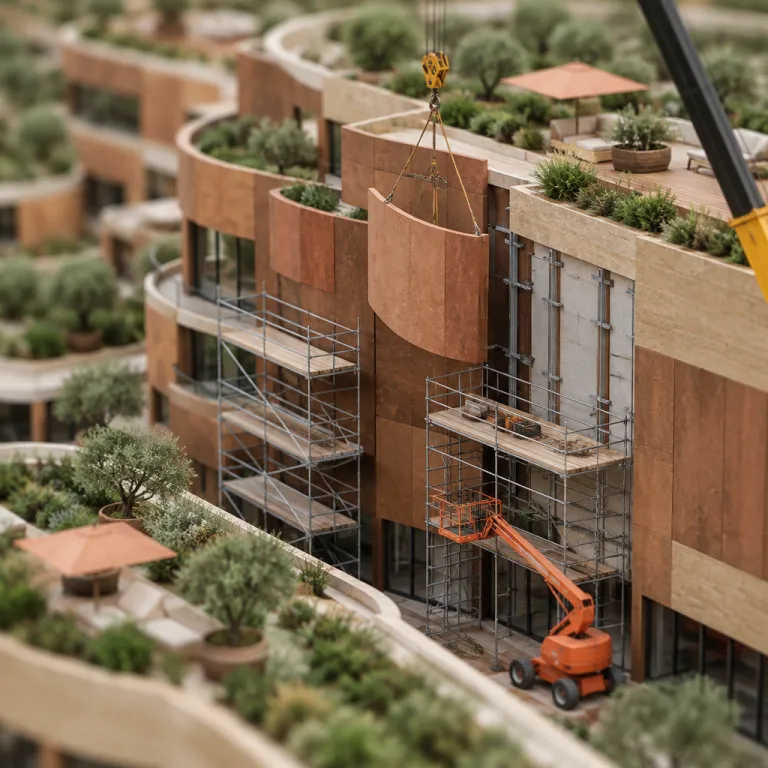
How luxury design hotels architecture 2026 is reshaping family travel choices
Families booking a luxury hotel now start with the space, not the spa. In the era of luxury design hotels architecture 2026, parents check how the building’s layout shapes circulation, light, and noise before they even look at the rate. The best hotels understand that travelers arrive with children, strollers, and different sleep rhythms, so the floor plan must work as hard as the service.
Across the USA and Europe, high-end properties are commissioning architects who treat every corridor, lobby, and terrace as part of the guest experience. This new generation of hotel architecture focuses on contemporary design that calms the nervous system, using natural materials, generous ceiling heights, and layered lighting to create a strong sense of ease within minutes of arrival. For premium families, this means a stay can feel both elevated and relaxed, with rooms that invite play by day and deep sleep at night.
On stay-deals.com, we see travelers filter for design hotels more than for any other amenity. They are not just chasing a view hotel anymore; they want a sense of place where architecture, interiors, and landscape speak the same language. When you compare the best hotels, the ones that sell out first are usually those where the design culture is coherent from lobby to rooftop, and where every destination dining venue, pool, and kids’ area feels like part of one thoughtful story.
For families planning luxury travel, this shift is liberating. Instead of choosing between character and practicality, they can select hotels where architectural design delivers both, from flexible rooms with sliding partitions to terraces that frame a cinematic view. The smartest hotel strategy now is simple: build for how people actually live, not how they posed in old brochures.
In this context, luxury design hotels architecture 2026 is less about spectacle and more about intelligent planning. A well-considered property can turn a stressful arrival into a soft landing, especially when the guest journey has been mapped from car drop-off to the first glass of water in the room. Families feel that strong sense of care immediately, and they remember it long after the last night of their stay.
Biophilic thinking and the science behind why some hotels feel better
Designers now talk openly about how architecture affects the nervous system. In the latest wave of luxury hotel design, the most forward-looking properties use biophilic principles to regulate stress, improve sleep, and deepen the guest experience. This is not a trend story; it is a wellness strategy informed by neuroscience research and measurable guest satisfaction.
Hotels that embrace nature-driven architecture tend to perform better with premium families. They use daylight, cross ventilation, and tactile materials to create a strong sense of safety and calm, which is exactly what young travelers need after a long day of transit. When parents check in, they may not know the term “biophilic design”, but they feel the difference in their bodies within minutes.
If you want to go deeper into this topic, read the stay-deals.com feature on biophilic design in hotels, which explains how plants, water, and natural light can be orchestrated as carefully as destination dining. In the context of luxury design hotels architecture 2026, these ideas move beyond the lobby wall garden and into rooms, corridors, and kids’ clubs. The best hotels now treat every window, courtyard, and rooftop as an opportunity to frame a restorative view.
For families, this means choosing hotels where the architectural concept supports both play and recovery. A view hotel that opens onto vineyards, sea, or city parks can turn a simple balcony into a daily ritual, especially when the design culture encourages barefoot mornings and open-air evenings. When hotels travel in this direction, they also tend to invest in dining wellness concepts, from low-sugar kids’ menus to outdoor breakfast terraces that catch the first light.
Luxury travel brands such as Aman and Cheval Blanc have long understood the power of a strong sense of place. Their properties show how luxury hotels architecture can use local stone, timber, and craft to connect guests to the destination without sacrificing comfort. Families who select these hotels are often buying more than rooms; they are investing in an experience that feels grounded, generous, and quietly restorative.
Three design led openings redefining the family stay: Tuscany, Paros, Cape Town
Some properties make the case for luxury design hotels architecture 2026 in a single glance. Chapter Chianti in Tuscany is one of them, with 82 rooms spread across a restored seventeenth-century borgo surrounded by 50 hectares of vineyards, olive groves, and landscaped gardens. For families, this layout feels like a small village, where children can roam safely while adults enjoy a glass of wine at night under a wide Tuscan sky.
Inside Chapter Chianti, contemporary design by Tristan Du Plessis pairs local artisan furnishings with clean-lined furniture and warm textures. The result is a luxury hotel that respects its agricultural past while offering the service and comfort international travelers expect from the best hotels. Parents will appreciate how the architectural design creates natural gathering points, from courtyards to shaded loggias, turning every day into a slow-paced guide to Italian country life.
On Paros, Luura Cliff presents a different expression of design-forward hospitality. Its 39 suites, shaped by Elastic Architects with interiors by Berlin-based Lambs and Lions, step down a cliffside with a view that feels almost cinematic. Families who check in here will find that the art collection, including works by Sofia Mitsola and Kostas Paniaras, adds a layer of design culture that teenagers in particular tend to remember.
Further south, The Cape Town EDITION at the V&A Waterfront is set to open with 142 rooms, a rooftop pool, and direct Table Mountain views. This view hotel is designed as a hub for international travel in southern Africa, with public spaces that blur the line between lobby, lounge, and destination dining venue. For families, the combination of walkable waterfront, framed mountain view, and layered wellness facilities will likely make it one of the best hotels in the city for multi-generational trips.
To understand how aquatic spaces express a property’s design priorities, the stay-deals.com feature on hotel pools as design statements is essential reading. In luxury design hotels architecture 2026, the pool is rarely just a rectangle of water; it is a social stage, a kids’ playground, and a wellness ritual zone. Families should check how these pools are oriented, shaded, and furnished, because those details often reveal whether the guest experience has been considered from a family perspective.
Why contemporary design works better for families than fragile opulence
Parents who have tiptoed through marble-heavy lobbies with toddlers know the tension. Traditional luxury hotels often prioritise ornate finishes over livable spaces, which can make every step feel like a risk for families. Luxury design hotels architecture 2026 flips that script, using contemporary design to create resilient, beautiful environments where children are welcome to exist, not just be managed.
In practice, this means wide circulation paths, rounded edges, and fabrics chosen for both tactility and durability. When hotel architecture is planned with families in mind, you see more built-in seating, flexible rooms with sliding doors, and outdoor decks that extend play space safely. The guest experience becomes less about enforcing rules and more about letting the architecture quietly guide behaviour.
Design hotels that embrace this philosophy often deliver better value on stay-deals.com, especially in shoulder seasons when rates soften. A family might secure a luxury hotel suite with a generous view for the price of two standard rooms in a more traditional property. The key is to check floor plans, photos, and reviews that mention how the design works in real life, not just how it photographs.
Brands like Aman, Cheval Blanc, and Mandarin Oriental show how luxury hotels can balance refinement with practicality. Their properties often feature destination dining that welcomes children at earlier seatings, alongside dining wellness options for adults who want lighter menus after a day of urban exploration or wine country touring. When you see this level of integration between food, space, and service, you are usually looking at some of the best hotels in their respective destination markets.
For USA-based travelers, this design-forward approach is increasingly visible in coastal resorts, ski lodges, and urban conversions. Families planning luxury travel should look for a strong sense of cohesion between architecture, interiors, and programming. When everything aligns, the hotel stops feeling like a stage set and starts feeling like a community, even if you are only there for a three-night stay.
How to read architecture like an insider when booking online
Most travelers will never read an architectural plan, but they do not need to. To navigate luxury design hotels architecture 2026, families only need a simple visual checklist that reveals how a property really works. Start with the lobby and public spaces, because they usually tell you more about the guest experience than any single room photo.
Look for how people move through the hotel in images and videos. If you see clear sightlines, natural light, and multiple seating clusters, you are probably looking at hotel architecture that supports both privacy and community. When spaces feel cramped or over-decorated, families often struggle with strollers, luggage, and the natural noise that comes with children.
Next, study the rooms with the same critical eye. In contemporary luxury hotels, the best rooms are not necessarily the largest; they are the ones where beds, sofas, and desks are arranged to create distinct zones for sleep, work, and play. A good view hotel will also show how the window framing turns the outside landscape into part of the interior design.
Pay attention to balconies, terraces, and connecting doors, especially for multi-room stays. Families should check whether railings look safe, whether outdoor furniture is substantial, and whether there is enough shade for a midday break. These details are rarely highlighted in marketing copy, but they define how a three-night stay actually feels.
Finally, read between the lines of reviews and photography. When guests mention a strong sense of calm, easy circulation, or thoughtful lighting, they are usually responding to architectural choices, even if they do not use that language. Over time, you will build your own internal guide to luxury hotels, and you will start to recognise which selected properties on stay-deals.com offer genuine design value rather than just a styled lobby.
Where deals meet design: timing your stay for maximum value
Design-led properties are often the first to sell out in peak season. That does not mean families must pay peak rates to enjoy luxury design hotels architecture 2026 at its best. The real opportunity lies in understanding when a hotel’s architecture, climate, and community energy align most favourably for your family.
On stay-deals.com, we track how rates shift across shoulder seasons, school holidays, and major events. A wine country resort with strong architectural design might be priced for couples in harvest season, yet far more accessible in late spring when vineyards are green but crowds are thinner. In cities, a view hotel that faces a major stadium or festival site can be either a bargain or a premium, depending on the calendar.
Our analysis of North American properties around major sporting events, detailed in the feature on how mega events reshape hotels, shows a clear pattern. Hotel demand spikes around match days, but there are quieter windows before and after when the architecture is unchanged while rates soften. For families, those windows can deliver the best combination of price, space, and service.
When comparing luxury travel options, focus on what the built environment gives you at different times of year. A coastal hotel with deep terraces and west-facing rooms might be magical in shoulder season, when sunsets are early enough for children to enjoy from bed. A mountain property with generous wellness facilities and dining wellness concepts might be better value outside peak ski weeks, when the spa and pool become your primary playground.
In every case, the goal is to align your travel dates with the property’s architectural strengths. When you do, luxury design hotels architecture 2026 stops being an abstract trend and becomes a practical tool for planning. You are no longer just booking rooms for a night; you are selecting a temporary home where design, service, and setting work together for your family.
Key figures shaping design led hotel choices
- Industry surveys consistently show that a clear majority of travelers say interior design and architecture significantly influence their choice of hotel, a share that has risen steadily over the past decade as visual platforms make design more visible.
- Academic research from leading hospitality schools indicates that hotels investing in major design renovations often see revenue per available room increase in the years following completion, underlining how architecture can directly affect financial performance.
- Analysts tracking wellness-focused travel report that trips centred on wellness facilities and biophilic architecture are growing faster than overall tourism, pushing more properties to integrate design and wellness from the ground up.
- Global benchmarking data suggests that luxury hotels in resort destinations achieve higher average daily rates when they can market distinctive architectural design, with design-led properties frequently commanding a noticeable premium over more conventional competitors in the same area.
FAQ: luxury design hotels architecture 2026 for families
How is luxury design hotels architecture 2026 different from traditional luxury hotels?
Luxury design hotels architecture 2026 focuses on how spaces feel and function for real life, not just how they look in photos. You will see more natural light, flexible rooms, and family-friendly circulation instead of fragile finishes and formal layouts. The emphasis is on guest experience, wellness, and a strong sense of place expressed through architectural design.
What should families check first when choosing a design led hotel?
Start by checking photos and plans of public spaces, then move to rooms and outdoor areas. Look for wide pathways, multiple seating zones, and safe balconies or terraces that extend play space. Reviews that mention calm, easy movement, and thoughtful lighting usually signal well-considered hotel architecture.
Are design focused hotels more expensive than other luxury hotels?
Design hotels can command higher rates in peak season, but they often offer strong value in shoulder periods. By timing your travel and using platforms like stay-deals.com, you can find selected dates where a design-led luxury hotel costs the same as a more conventional property. The key is to compare what the architecture and guest experience actually deliver for your family.
How does architecture influence wellness for children and adults?
Architecture influences wellness through light, acoustics, materials, and spatial layout. Hotels that use biophilic principles, generous windows, and quiet circulation areas help regulate stress and support better sleep for both children and adults. When wellness facilities and dining wellness concepts are integrated into the design, the entire stay feels more restorative.
Which brands lead in architecture driven luxury travel for families?
Brands such as Aman, Cheval Blanc, and Mandarin Oriental are known for strong architectural design and a clear design culture. Many independent design hotels in wine country, coastal regions, and urban centres now follow similar principles. Families should focus less on labels and more on how each property’s architecture, service, and setting align with their own travel priorities.