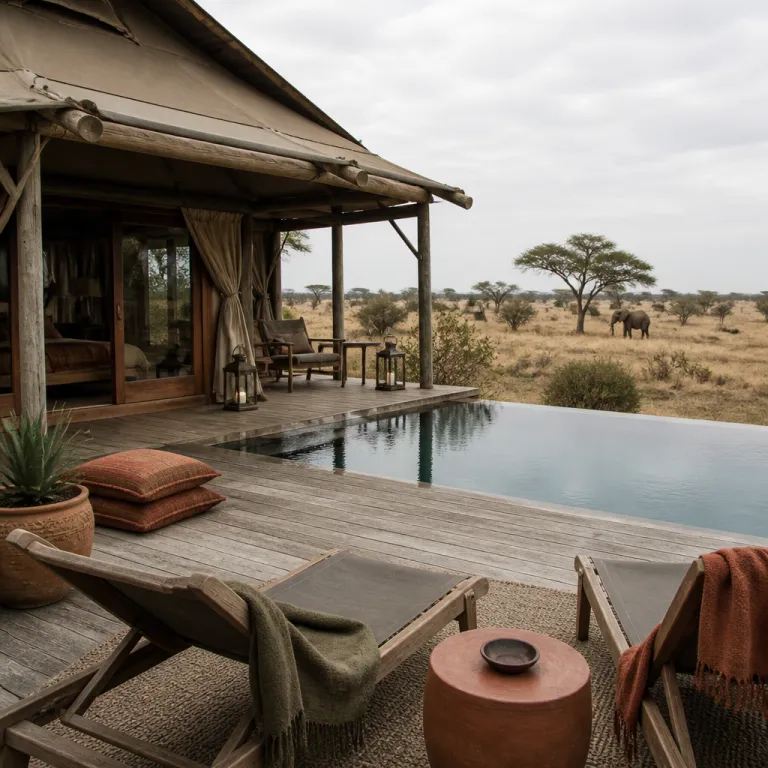
Why luxury safari lodges in East Africa are the new grand hotels
Luxury safari lodges in East Africa are now competing with the world’s grand city hotels. Across this part of Africa, developers and global brands are investing in every kind of camp and lodge, from intimate tented camp hideaways to expansive safari lodges with full spa programs and wine cellars. For couples planning future travel, this is the moment when a luxury safari becomes less a once in a lifetime splurge and more a considered alternative to a Paris palace or a Rome landmark.
The current boom is not accidental ; it follows several years of targeted investment in eco friendly lodges, advanced booking systems, and partnerships with conservation organizations. A recent regional snapshot shows sixteen new luxury lodges scheduled to open within a single season, with an average cost per night of around 2 000 USD, which places a private suite in a top lodge firmly in the same bracket as leading European hotels once you factor in the all inclusive model. For affluent travelers, the value equation shifts when every night includes game drives, guided bush walks, and refined safari accommodation rather than just a room and breakfast.
What defines a luxury safari lodge? Exclusive services, premium amenities, and unique experiences. That definition now underpins the strategy of both independent camps and the big names entering East Africa, from established safari camp operators in the Serengeti to design forward lodges in Ruaha National Park. For couples, the promise is clear ; a luxury safari experience that blends the drama of the bush, the comfort of a private villa style suite, and the satisfaction of knowing that a portion of every night’s rate supports wildlife protection and local communities.
The new players: JW Marriott, Banyan Tree and the next generation of camps
The most striking shift in luxury safari lodges in East Africa is the arrival of heavyweight global hotel brands. JW Marriott Mount Kenya Safari Camp, opening with just twenty luxury tents, signals how seriously international groups now take the safari market and its potential for high value safaris. Each tented camp style suite is designed more like a contemporary private villa, with plunge pools and views towards Mount Kenya that rival any ocean panorama.
Further south in Tanzania, Ubuyu by Banyan Tree in Ruaha National Park brings the group’s spa centric philosophy into one of Africa’s least crowded wildlife areas. Here, the focus is on long, unhurried game drives, quiet night skies, and game viewing that feels genuinely wild, with the luxury of returning to a sanctuary level lodge after hours in the bush. Couples who time their travel for the shoulder season can often secure softer rates, a strategy we explore in detail in our shoulder season luxury rate guide, which shows how May and June can deliver the best safari value.
Kenya’s Kitirua Plains Lodge, near Amboseli National Park, adds another layer to this new wave, pairing a low density camp layout with big sky views and classic East Africa game drives under Kilimanjaro. These openings sit alongside established icons such as Singita in both Tanzania and South Africa, and Royal Malewane in the Greater Kruger area, creating a network of safari lodges where standards are aligned with the best city hotels. For couples comparing options, the question is no longer whether a luxury safari lodge is comfortable enough, but which lodge’s style, park location, and conservation model best matches their idea of romance and adventure.
Value, conservation and the real cost of a luxury safari night
Rates of 1 000 to 3 000 USD per night for a luxury safari lodge in East Africa can look steep until you unpack what is included. A typical all inclusive safari camp stay covers a private or semi private suite, all meals, most beverages, twice daily game drives, guided walks, and often laundry, which means the effective daily cost competes directly with a five star stay in London or Milan once you add restaurant bills and city transport. For couples, the key is to compare the full safari experience rather than just the headline room rate.
There is also the conservation dimension, which is central to how many national park and private sanctuary lodges now operate. How do these lodges support conservation? Through sustainable practices and partnerships with conservation groups. In practical terms, that can mean a fixed percentage of every night’s rate going to anti poaching patrols in Serengeti National Park, habitat restoration in Ruaha National Park, or community projects around park Tanzania gateways, making your choice of lodge an ethical decision as much as a comfort one.
For travelers who prioritize sustainability, it is worth seeking out camps that publish clear data on their conservation contributions and work with recognized partners such as local communities and national wildlife authorities. Our coverage of leading eco friendly hotels shows how urban hospitality is moving in the same direction, but safari lodges remain ahead in linking luxury with measurable impact. When you book a luxury safari in East Africa, you are effectively funding a mobile field base for rangers, a research station for biologists, and a training ground for local guides, all wrapped in the comfort of a well run lodge or tented camp.
Designing a romantic safari itinerary: from Serengeti to Ruaha and beyond
Planning a romantic safari across East Africa now feels closer to curating a grand tour of Europe’s great hotels than booking a rugged expedition. Start with the Serengeti, where safari lodges and tented camps track the Great Migration and offer some of the best safari game viewing on the continent, especially around the central Serengeti National areas. A classic pairing is a few nights in a mobile safari camp close to the herds, followed by a stay in a permanent lodge with a larger suite, spa, and pool for slower days between game drives.
From there, couples can route south into Ruaha National Park in Tanzania for a contrasting safari experience, with fewer vehicles, thicker bush, and a stronger sense of wilderness. Ubuyu by Banyan Tree will anchor this region’s new wave of luxury safari accommodation, while independent camps continue to offer some of the best night sky viewing and walking safaris in Africa. If you want a final indulgent stop, consider flying on to South Africa for a few nights at Royal Malewane or a Singita lodge, then perhaps add a coastal break in a secluded property with a private villa and pool, using resources like our curated guide to elegant vacation rentals with private pools.
For couples who like structure, think of your safari in three acts ; an intense game viewing chapter in the Serengeti National ecosystem, a slower, more contemplative stay in Ruaha or another national park sanctuary, and a final decompression stop in a coastal camp or city lodge. Throughout, prioritize lodges that limit vehicle numbers on game drives, offer genuine guiding expertise, and maintain strong ties with conservation organizations. That is where the luxury safari lodges in East Africa truly justify their rates and where your travel spend has the greatest impact on the future of these landscapes.
FAQ
What defines a luxury safari lodge in East Africa today ?
A luxury safari lodge in East Africa now combines high end suites or tents, refined service, and immersive wildlife access within or near a national park or private reserve. Guests can expect all inclusive rates that cover meals, most drinks, and daily game drives or guided activities. The leading lodges also integrate sustainable building methods and formal partnerships with conservation organizations.
How do luxury safari lodges support conservation in practical terms ?
Many lodges operate on land leased from local communities or within conservancies where a portion of every night’s rate funds anti poaching patrols, habitat restoration, and community projects. They often work with conservation groups to monitor wildlife, manage human wildlife conflict, and train local guides. When you choose a lodge with transparent conservation reporting, your stay directly contributes to protecting the surrounding ecosystem.
Are luxury safaris suitable for couples who are new to wildlife travel ?
Yes, luxury safaris are well suited to first time wildlife travelers, especially couples. Lodges typically provide structured daily programs with professional guides, clear safety briefings, and flexible activity levels, from gentle game drives to more active bush walks. The combination of comfort, hosted communal areas, and attentive staff makes the experience accessible even if you have never been on safari before.
When is the best time for couples to book luxury safari lodges in East Africa ?
Booking six to twelve months ahead is wise for peak periods such as the height of the Great Migration in the Serengeti. Shoulder seasons around May and June, and again later in the year, often deliver lower rates and fewer vehicles while still offering strong game viewing. Couples who can travel outside school holidays will usually find better availability and more attractive package options.
How should travelers compare the value of different safari lodges and camps ?
Look beyond the nightly rate and compare what each lodge includes, from game drives and guiding quality to drinks, transfers, and conservation contributions. Check the maximum number of guests per vehicle, the size and privacy of each suite or tent, and whether the lodge sits inside a national park or in a neighboring conservancy. Reading detailed, independent reviews and asking direct questions about conservation fees and community partnerships will help you identify genuine value rather than superficial luxury.