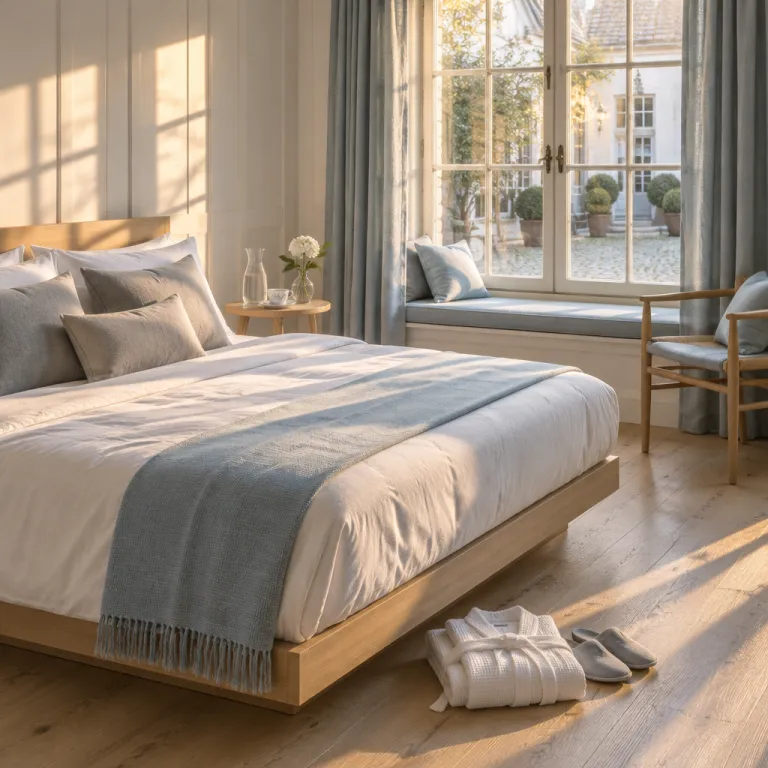
What defines a classic inn in the luxury era
A true classic inn blends heritage charm with contemporary comfort for discerning guests. In a luxury and premium booking context, this means an inn that feels intimate yet operates with the precision of a five star hotel, from the first online check to the final farewell. When you compare classic inns and larger hotels, focus on how each property translates history into a calm, well designed room where every detail feels intentional and quietly upscale.
Many travelers still associate an inn with creaking floors and a basic bed, but the best classic properties now rival urban hotels for technology and service. You should expect fast wireless internet, a flat screen television, and thoughtful touches such as a microwave refrigerator combination discreetly integrated into the furniture. When a classic inn balances original architecture with efficient air conditioning and soundproofed rooms, you will enjoy both character and quiet sleep, rather than choosing between nostalgia and comfort.
Location remains crucial, especially when you measure access in minutes and miles rather than abstract descriptions. A refined inn close to a city park or cultural quarter often provides easier parking and calmer surroundings than a central motel on a busy highway. For example, a classic inn on a tree lined residential street a few blocks from the historic district can feel like a retreat while still keeping museums, restaurants, and theatres within a short walk or quick ride. One guest at a restored townhouse inn in Charleston described it as “a quiet side street hideaway that still felt five minutes from everything we wanted to see.”
Iconic classic inns versus grand hotels around the world
Travelers comparing a classic inn with famous grand hotels often focus on scale, yet the more relevant question is how each property makes you feel. A palace style hotel can impress with marble lobbies and dozens of room categories, while a smaller inn may offer only a handful of rooms but deliver deeply personal service. When you browse luxury and premium booking platforms, filter by property size to see whether an intimate inn or a collection of large hotels better suits your travel rhythm and expectations of privacy.
In historic cities across the United States and Europe, many classic inns occupy restored mansions or coaching houses that predate nearby motel developments. Industry case studies from organizations such as the American Hotel & Lodging Association and UK Hospitality note that these properties usually provide fewer smoking rooms, more carefully curated public spaces, and a stronger sense of place than standardized hotels near the ring road. For travelers who appreciate heritage architecture, looking at examples such as a restored 19th century riverfront inn in Savannah, a Victorian townhouse inn in Boston’s Back Bay, or a former coaching house in rural England can help you evaluate whether a classic inn aligns with your expectations of authenticity.
Iconic hotels of the world often sit beside major landmarks, while a classic inn might be located a few streets back, close popular cafés and residential squares. This slight distance in meters or miles can mean quieter nights, easier free parking, and more interaction with local residents. When you check availability, compare maps carefully and consider whether you prefer a king bed overlooking a monument or a queen bed in a peaceful room facing a garden courtyard, then imagine the photos you will take from each perspective.
Room types, beds, and layouts that elevate a classic stay
Choosing the right room in a classic inn matters as much as choosing the right destination. Luxury booking websites now display detailed floor plans, bed descriptions, and room measurements in square meters, which helps you compare options across different hotels and inns. When you evaluate rooms, look beyond labels such as standard or deluxe and focus on how the layout, light, and private spaces match your travel style, whether you plan to work, relax, or explore all day.
For couples, a king bed in a spacious room with a private bathroom and separate seating area often feels indulgent without being excessive. Solo travelers may prefer a queen bed in a slightly smaller room if it offers free extras such as a high quality flat screen, a microwave refrigerator unit, and strong wireless internet for work. Families sometimes benefit from connecting rooms in a classic inn, where two rooms share a private corridor and allow parents to maintain privacy while children sleep nearby, with doors that can close for quiet time.
Accessibility and comfort features deserve close attention, especially in older properties that predate modern building codes. When you check availability, look for clear notes on lift access, step free routes from the lobby to the room, and whether pets allowed policies apply to all floors or only selected rooms. A well managed classic inn will list whether it has smoking rooms or a fully non smoking property, and whether any additional charge applies for extra beds, late check out, or use of on site facilities such as a vending machine in the corridor or a compact fitness corner.
Essential amenities in a modern classic inn
A refined classic inn should deliver the amenities travelers now consider non negotiable, even when the property occupies a centuries old building. At a minimum, expect efficient air conditioning, reliable wireless internet, and a private bathroom with strong water pressure and quality toiletries. When a classic inn balances these essentials with period details such as original stone, timber beams, or antique furniture, the result feels both classic and quietly luxurious, especially in photographs that capture the contrast between old and new.
Parking and transport remain decisive factors for many guests, especially in destinations where public transport is limited or where the airport located outside the city requires a car transfer. A property that offers free parking on site or in a secure nearby park can save both time and money compared with a central hotel that charges an additional charge per night. If you are planning a road trip across the United States, filter for classic inns and hotels that sit a few miles from major highways yet remain close popular attractions, so you can arrive late, sleep well, and depart easily the next morning.
Thoughtful extras often distinguish a memorable inn from an average motel, even when both share similar star ratings. Look for amenities such as a lobby vending machine stocked with local snacks, a small bar with regional wines, or a lounge where guests can relax with a book after a long day. One couple who stayed at a classic inn near the San Antonio River Walk recalled how the owner left a handwritten note and local pastries in their room, turning a routine overnight into a small celebration. For travelers who expect more from their stay, curated guides to regal inn experiences can highlight properties where you will enjoy a sense of occasion from the moment you check in until the final farewell, including suggested photo spots around the property.
Airport access, transfers, and classic inn locations
Many travelers underestimate how much airport access shapes their overall perception of a hotel or inn. A classic inn that sits several miles from the terminal but near a direct rail or shuttle line can feel more convenient than an airport motel that requires complex transfers between terminals and parking zones. When you plan your route, check whether the airport located near your destination offers a dedicated classic inn shuttle or whether you will need a taxi at an additional charge, then factor that cost into your total stay.
Some properties market themselves as an airport classic option, meaning they combine the warmth of an inn with the practicality of an airport hotel. These classic inns usually provide early breakfast, flexible check in, and clear information about first and last train times, which helps guests align flights and sleep. If the property offers free parking for the duration of your trip, you may be able to leave your car safely while you travel onward by air, turning the inn into a convenient base rather than just a stopover.
In cities such as Memphis, airport proximity intersects with cultural access, so location choices become more nuanced. A classic inn a few miles from Memphis International Airport but close popular music venues and riverfront parks can offer a richer experience than a motel on the ring road. When you check availability on a premium booking website, compare maps, transfer times, and whether each property offers free shuttle services or charges an additional fee per guest, then decide how much you value late night dining, live music, or river walks when choosing a classic inn near Memphis airport.
Policies, fees, and how to read the fine print
Luxury and premium booking platforms make it easier than ever to compare prices, yet the real art lies in understanding policies that sit behind each rate. When you evaluate a classic inn, read carefully for notes on pets allowed, smoking rooms, and whether children stay for free or incur an additional charge. Transparent properties state clearly whether they offer free cancellation, partial refunds, or only non refundable rates during peak seasons, so you can balance flexibility with savings.
Room descriptions should specify whether the bed type is guaranteed or subject to availability at check in, especially when you are choosing between a king bed and a queen bed. If a classic inn lists both smoking and non smoking rooms, verify that your selected room category matches your preference, because changes on arrival day can be difficult in smaller properties with limited rooms. For travelers with allergies, it is worth contacting the inn directly to confirm whether pets allowed policies apply to all floors or only designated sections of the property, and whether feather free bedding is available.
Payment and ancillary fees also deserve attention, particularly in destinations where city taxes or resort fees apply. Some classic inns include wireless internet, parking, and access to shared facilities in the base rate, while others treat these as extras that appear as an additional charge at check out. When planning special occasions such as elegant Croatia wedding venues for a sea swept celebration, align your accommodation budget with event costs and verify whether the inn offers free upgrades, late check out, or group discounts for guests attending the ceremony and related events.
Design, atmosphere, and the emotional side of a classic inn
Beyond rates and amenities, the most compelling reason to choose a classic inn is often emotional rather than rational. These properties create a sense of arrival that many chain hotels struggle to match, whether through a scented lobby, a crackling fireplace, or a host who remembers your name from a previous stay. When you walk into a well curated inn, you should feel that every chair, lamp, and framed photograph has been chosen with care and tells a small part of the property’s story.
Design in a classic property usually leans toward timeless rather than trend driven, with natural materials, layered lighting, and a restrained color palette. Many inns integrate local craftsmanship into headboards, textiles, and ceramics, so that even the bed and private bathroom reflect the region rather than a generic template. This attention to place helps guests feel anchored, especially after long flights or drives that blur distances into anonymous miles and interchangeable motels.
Atmosphere also depends on how public spaces encourage interaction among guests without sacrificing privacy. A reading room, small bar, or landscaped park style courtyard can become a social hub where travelers exchange recommendations about close popular restaurants and cultural sites. When a classic inn balances shared areas with quiet rooms, efficient air conditioning, and thoughtful soundproofing, you will enjoy both convivial evenings and restorative sleep, captured in photos of candlelit lounges and sunlit breakfast rooms.
Key statistics on classic inns and premium stays
- Industry surveys from major hotel associations in North America and Europe indicate that independent inns and small hotels represent roughly one third of properties in many mature markets, yet they often report a higher share of repeat guests, reflecting strong loyalty among travelers who value character and service.
- Benchmarking reports from global hospitality analytics firms consistently show that properties offering free parking and wireless internet can achieve noticeably higher occupancy than comparable hotels that charge an additional fee for these services, especially in drive to destinations and suburban areas.
- Data from airport hotel performance studies published over the past five years suggests that hotels and inns located within about 8 kilometres of major terminals typically command a rate premium of 15 to 20 % over similar properties farther away, which highlights the monetary value of reduced transfer times.
- Research by leading online travel agencies shows that room photos featuring a clearly visible king bed or queen bed, a flat screen television, and a modern private bathroom generate significantly higher click through rates than listings with limited or outdated imagery, underlining the importance of strong visual presentation.
FAQ about choosing a classic inn
How is a classic inn different from a standard motel ?
A classic inn usually occupies a characterful property, offers fewer rooms, and focuses on personalized service, while a standard motel prioritizes easy car access and functional stays near highways. Inns often provide upgraded amenities such as higher quality beds, curated interiors, and better breakfasts. Motels typically emphasize simple rooms, ample parking, and quick check in for short stopovers.
What amenities should I expect in a modern classic inn ?
In a modern classic inn, you should expect wireless internet, efficient air conditioning, a private bathroom, and a comfortable bed as baseline features. Many properties also include a flat screen television, a microwave refrigerator unit, and complimentary toiletries. Higher end inns may add services such as concierge assistance, afternoon tea, or small wellness facilities.
Are classic inns suitable for families with children and pets ?
Many classic inns welcome families and operate clear policies on extra beds, interconnecting rooms, and child friendly facilities. Some properties also have pets allowed policies, often with designated rooms or floors and a modest additional charge for cleaning. Always check availability for family rooms and confirm pet rules directly with the inn before booking.
How can I find a classic inn near an airport without sacrificing charm ?
Use filters on premium booking websites to search for properties within a set distance in kilometres from the airport, then narrow results to independent inns or small hotels. Read guest reviews that mention both transfer convenience and atmosphere, and study maps to see whether the inn sits near parks or neighbourhood cafés rather than only highways. Many travelers choose classic inns a few miles from the terminal that offer free parking and easy access to public transport.
Is it worth paying more for a classic inn in a historic building ?
For travelers who value sense of place and memorable design, paying more for a classic inn in a historic building can significantly enhance the trip. These properties often deliver richer atmosphere, more distinctive rooms, and deeper connections to local culture than newer hotels. However, you should still verify that essential comforts such as air conditioning, soundproofing, and modern bathrooms meet your expectations.
As you compare options, save a shortlist of classic inns that match your preferred location, room type, and budget, then book the property that best balances heritage, comfort, and practical details for your next stay.